
Many couples trying to conceive often focus on medical treatments, but nutrition and lifestyle habits also play an important role in reproductive health. A well-balanced diet plan to boost chances of pregnancy can support hormone balance, egg quality, sperm health, and overall fertility. While diet alone may not solve every fertility challenge, it can improve the body’s readiness for conception and support fertility treatments such as IVF. Couples from Africa, the Middle East, Europe, and the USA frequently look for natural ways to improve fertility before considering assisted reproductive techniques.
At the same time, when natural methods are not enough, affordable IVF treatment in India provides a highly effective solution.
Understanding the Link Between Diet and Fertility
Reproductive health is closely connected to nutrition. The body requires specific vitamins, minerals, healthy fats, and proteins to maintain hormonal balance and support reproductive functions.
A fertility-supportive diet may help:
Improve ovulation in women
Support egg quality
Enhance sperm health
Maintain hormonal balance
Improve overall reproductive wellness
However, diet alone cannot treat medical conditions such as blocked fallopian tubes, severe endometriosis, or significant male infertility. In such situations, advanced fertility treatments like IVF may be recommended.
Couples trying to conceive should always consult a fertility specialist to identify the underlying cause of infertility and determine the best treatment plan.
Key Nutrients That May Support Fertility
Doctors often recommend specific nutrients that support reproductive health and improve the body’s readiness for pregnancy.
Folic Acid
Folic acid is one of the most important nutrients for women trying to conceive.
Potential benefits include:
Supporting healthy egg development
Reducing the risk of birth defects
Supporting early fetal development
Iron
Iron supports oxygen transport in the body and may help maintain healthy ovulation.
Sources include:
Spinach
Beans
Lean meats
Lentils
Omega-3 Fatty Acids
Omega-3 fats help reduce inflammation and support hormone balance.
Sources include:
Fatty fish
Chia seeds
Walnuts
Flaxseeds
Vitamin D
Vitamin D plays a role in hormone regulation and reproductive health.
Sources include sunlight exposure and fortified foods.
Zinc and Selenium
These minerals support both male and female reproductive health and may improve sperm and egg quality.
Sample Fertility-Friendly Diet Plan
A balanced fertility diet includes nutrient-rich foods throughout the day.
Breakfast
Whole grains such as oats or whole wheat bread
Eggs or yogurt for protein
Fresh fruits
Lunch
Lean protein such as chicken, fish, or legumes
Whole grains such as brown rice or quinoa
Leafy green vegetables
Snacks
Nuts and seeds
Fresh fruit or yogurt
Dinner
Grilled fish or plant-based protein
Vegetables
Healthy fats such as olive oil or avocado
Hydration is also important. Drinking enough water helps maintain overall health and metabolism.
While diet can support reproductive health, couples experiencing infertility for more than one year should consider medical evaluation.
When Diet Alone Is Not Enough
Some fertility problems cannot be solved through nutrition or lifestyle changes alone.
Common medical causes of infertility include:
Polycystic Ovary Syndrome (PCOS)
Endometriosis
Blocked fallopian tubes
Low ovarian reserve
Male infertility factors
Age-related fertility decline
In these cases, assisted reproductive treatments such as IVF may significantly increase the chances of pregnancy.
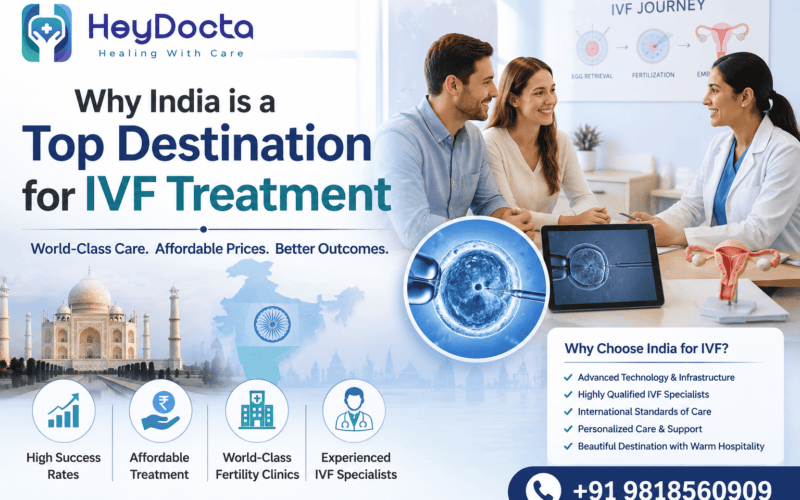
India has become one of the most popular destinations for international patients seeking affordable fertility treatment.
Why International Patients Choose India for IVF Treatment
India has become a global hub for fertility care, attracting patients from Africa, the Middle East, Europe, and North America.
Key advantages include:
Highly experienced fertility specialists
Advanced IVF technology and laboratories
International quality hospitals
Transparent treatment pricing
Significant cost savings compared to Western countries
Partner hospitals such as Yatharth Hospital and Zeeva IVF Clinic offer comprehensive fertility treatment programs. IVF specialist Dr. Amreen Singh, with over 16 years of experience, provides personalized treatment plans for international patients.
IVF Treatment Options Available in India
Fertility specialists recommend different IVF options depending on the couple’s medical condition.
IVF with Self Eggs
This treatment uses the woman’s eggs and the partner’s sperm.
Package cost in India: 3300 USD
IVF with Donor Eggs
Recommended when egg quality or ovarian reserve is low.
Package cost in India: 4500 USD
IVF with Donor Semen
Used when male infertility is severe.
Package cost in India: 3800 USD
IVF with TESA
TESA (Testicular Sperm Aspiration) retrieves sperm directly from the testicles when necessary.
Package cost in India: 3800 USD
These treatments are performed at advanced fertility centers such as Yatharth Hospital and Zeeva IVF Clinic under the care of experienced specialists including Dr. Amreen Singh.
IVF Cost Comparison: India vs Other Countries
One of the biggest reasons international patients choose India is affordability.
Country | Average IVF Cost
USA | 15,000 – 20,000 USD
UK / Europe | 10,000 – 14,000 USD
Middle East | 8,000 – 12,000 USD
Nigeria / Kenya | 6,000 – 9,000 USD
India | 3300 – 4500 USD
Patients can save up to 70–80 percent on IVF treatment by choosing India.
Accommodation is also affordable. International patients typically spend around 600 to 800 USD for a six-week stay during treatment.
Step-by-Step IVF Treatment Process for International Patients
International patients usually follow a structured fertility treatment journey.
Step 1 Online Consultation
Patients share medical reports and fertility history with specialists.
Step 2 Treatment Planning
Doctors determine the most suitable fertility treatment option.
Step 3 Travel to India
Patients travel to India with support for medical visa documentation.
Step 4 Ovarian Stimulation
Hormonal medications stimulate egg production.
Step 5 Egg Retrieval
Eggs are collected through a minimally invasive procedure.
Step 6 Fertilization in Laboratory
Eggs and sperm are fertilized in an advanced IVF laboratory.
Step 7 Embryo Transfer
Healthy embryos are transferred into the uterus.
Step 8 Pregnancy Testing
A pregnancy test is conducted about two weeks after embryo transfer.
The complete IVF cycle usually requires approximately six weeks in India.
Medical Visa and Travel Support
International patients traveling to India for fertility treatment require a medical visa.
heydocta.com provides comprehensive support including:
Medical visa invitation letters
Hospital appointment scheduling
Travel and accommodation guidance
Airport pickup assistance
Treatment coordination with partner hospitals
This end-to-end support helps make the medical journey smooth and stress-free for patients.
Recovery, Stay Duration, and Follow-Up Care
Most IVF procedures are minimally invasive and allow quick recovery.
Doctors usually recommend:
Adequate rest after embryo transfer
Avoiding strenuous physical activity
Maintaining a balanced diet
Regular medical monitoring
Patients can also continue follow-up consultations online after returning to their home country.
Frequently Asked Questions
Can diet improve fertility naturally?
A balanced diet can support reproductive health and hormonal balance, but it may not treat all causes of infertility.
Which foods are best for fertility?
Foods rich in folic acid, omega-3 fatty acids, iron, zinc, and antioxidants are often recommended for fertility support.
How long should couples try natural methods before IVF?
Doctors usually recommend seeking medical advice after 12 months of trying to conceive, or 6 months if the woman is over 35.
Why is IVF cheaper in India?
Lower healthcare costs and a large network of experienced specialists make fertility treatment in India more affordable.
How long do international patients stay in India for IVF?
Most patients stay around six weeks to complete the treatment cycle.
Can international patients consult doctors before traveling?
Yes, patients can share medical reports and receive online consultations before planning their travel.
Conclusion
A healthy diet plan can support reproductive health and improve the body’s readiness for pregnancy. Proper nutrition, combined with a healthy lifestyle and medical guidance, can play an important role in fertility. However, when natural methods are not sufficient, assisted reproductive treatments such as IVF may offer a higher chance of conception.
India has become one of the most trusted destinations for affordable and advanced fertility treatment. Hospitals such as Yatharth Hospital and Zeeva IVF Clinic, along with experienced IVF specialist Dr. Amreen Singh, provide high-quality care for international patients from Africa, the Middle East, Europe, and the USA.
heydocta.com serves as a trusted medical tourism facilitator, helping international patients connect with top fertility hospitals, coordinate treatment, and manage travel arrangements.
Contact heydocta.com today to Get a Free Medical Opinion, Talk to Our Medical Tourism Expert, and Get Treatment Cost from Top Indian Hospitals in India. Our team provides complete support including hospital coordination, visa assistance, and travel planning at no extra cost to patients.