Joint replacement surgery can help patients reduce severe joint pain and improve mobility. However, some people experience instability after surgery, where the artificial joint feels loose, shifts out of position or repeatedly dislocates. Joint replacement instability can affect the hip, knee and, less commonly, other replaced joints. It may cause difficulty walking, fear of falling, pain and reduced confidence in daily activities.
For international patients from Nigeria, Ghana, Zimbabwe, Cameroon, Kenya, Guyana, Jamaica, the Middle East, Europe and the USA, India offers access to orthopaedic specialists, advanced diagnostic facilities and revision joint replacement options. Understanding the causes, treatment choices and costs can help patients plan their care.
HeyDocta supports international patients with medical opinions, hospital coordination, treatment estimates and travel assistance in India.
Get a Free Medical Opinion: Share your previous surgery reports and latest X-rays with HeyDocta to explore suitable treatment options.
What Is Joint Replacement Instability?
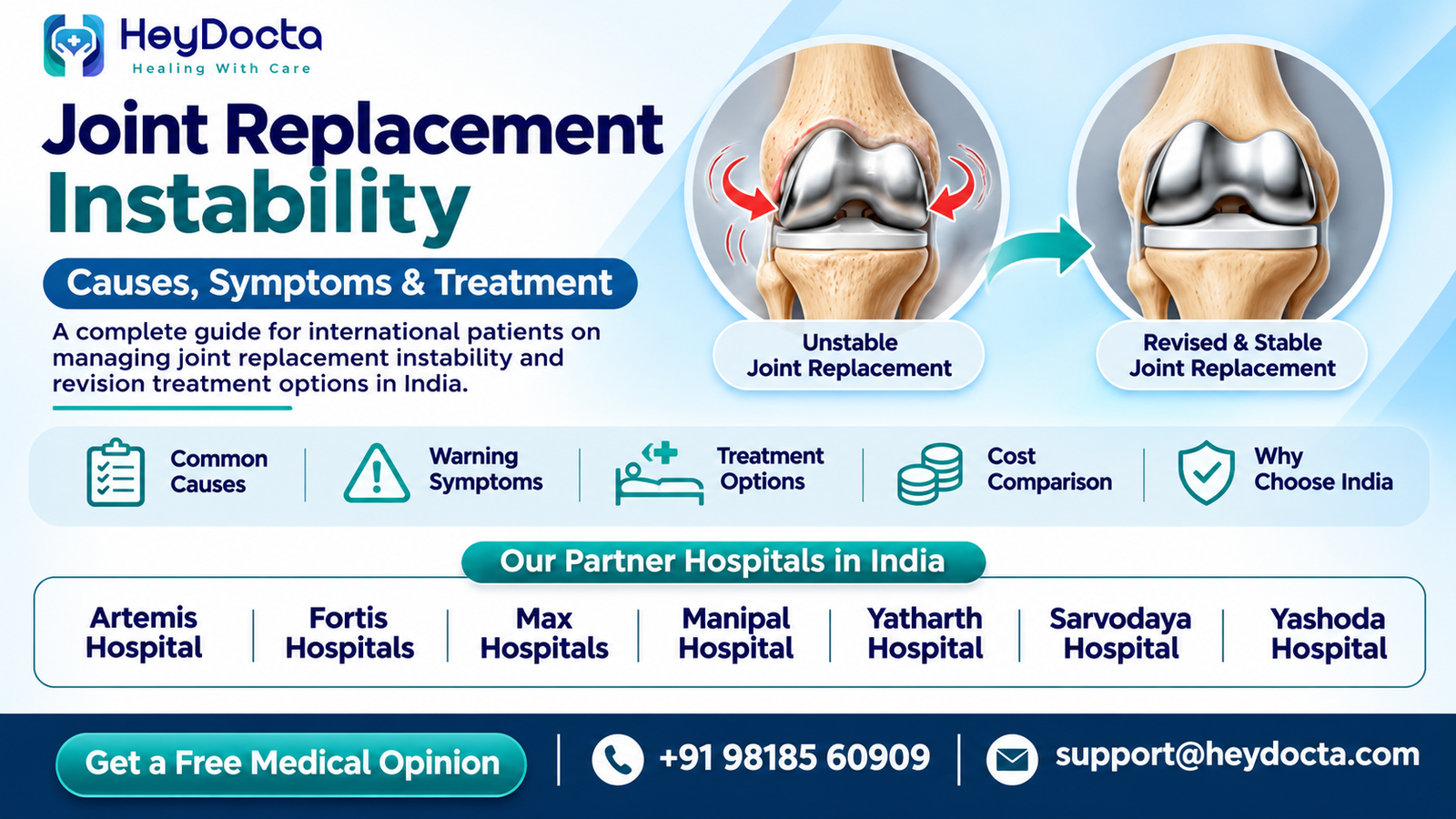
Joint replacement instability occurs when an artificial joint does not remain properly aligned or securely supported during movement. The joint may feel loose, shift abnormally or partially or completely dislocate.
Instability can occur soon after surgery or develop months or years later. It may result from problems with implant positioning, damaged supporting tissues, muscle weakness, bone loss or changes in the surrounding structures.
Hip and knee replacements are particularly relevant because they depend on the correct alignment of implants, soft tissues and muscles to maintain stability.
Common Causes of Joint Replacement Instability
1. Incorrect Implant Positioning
If artificial components are not positioned correctly, the joint may move abnormally. In hip replacement, this can increase the risk of dislocation. In knee replacement, alignment problems may affect ligament balance and joint movement.
2. Muscle or Ligament Weakness
Muscles, tendons and ligaments help support natural joint movement. Weakness or damage in these structures can make an artificial joint unstable.
3. Repeated Joint Dislocation
A replaced hip may repeatedly dislocate if the implant components or surrounding soft tissues do not provide adequate stability. Repeated episodes may require further investigation and treatment.
4. Implant Loosening or Wear
Over time, implant components may loosen or wear down. This can change joint alignment and affect stability.
5. Bone Loss or Fracture
Bone loss around the implant or a fracture near the replaced joint may reduce the support available to the artificial components.
6. Infection After Joint Replacement
An infection around the implant can damage surrounding tissues and affect implant stability. Patients with suspected infection need prompt medical evaluation.
Symptoms of an Unstable Joint Replacement
Symptoms vary depending on the joint involved. Common warning signs include:
- A feeling that the joint is loose or giving way.
- Repeated hip dislocation or joint shifting.
- Knee buckling while standing or walking.
- Difficulty climbing stairs or getting up from a chair.
- Pain during movement or weight-bearing.
- Swelling and reduced joint movement.
- Uneven walking or reduced confidence while walking.
Sudden severe pain, inability to bear weight, visible deformity or suspected dislocation requires urgent medical attention. Patients should not attempt to force the joint back into position themselves.
How Is Joint Replacement Instability Diagnosed?
An orthopaedic specialist may recommend several investigations:
- Clinical examination: Checks joint movement, stability, muscle strength and walking pattern.
- X-rays: Help identify implant position, alignment, loosening and dislocation.
- CT scan: Provides more detailed information about implant orientation and bone structure.
- MRI with appropriate implant-reduction techniques: May help assess muscles, tendons and surrounding soft tissues.
- Blood tests: May be recommended if infection is suspected.
- Joint aspiration: A fluid sample may be collected to investigate possible infection.
The surgeon reviews these findings along with previous operation records before deciding on treatment.
Treatment Options for Joint Replacement Instability
Treatment depends on the affected joint, severity of instability, implant position, bone condition and the cause of the problem. Surgery is not always necessary.
1. Physiotherapy and Muscle Strengthening
For mild instability caused by muscle weakness, a supervised physiotherapy programme may help improve strength, balance and joint control. Exercises should be prescribed by a qualified physiotherapist after the implant has been assessed.
2. Knee Bracing or Support
A knee brace may help selected patients with mild knee replacement instability. It can provide additional support while walking, although it does not correct major implant-positioning or structural problems.
3. Closed Reduction for Hip Dislocation
If a replaced hip dislocates, a doctor may reposition it through a procedure called closed reduction, usually under sedation or anaesthesia. Further treatment may be needed if dislocation happens repeatedly.
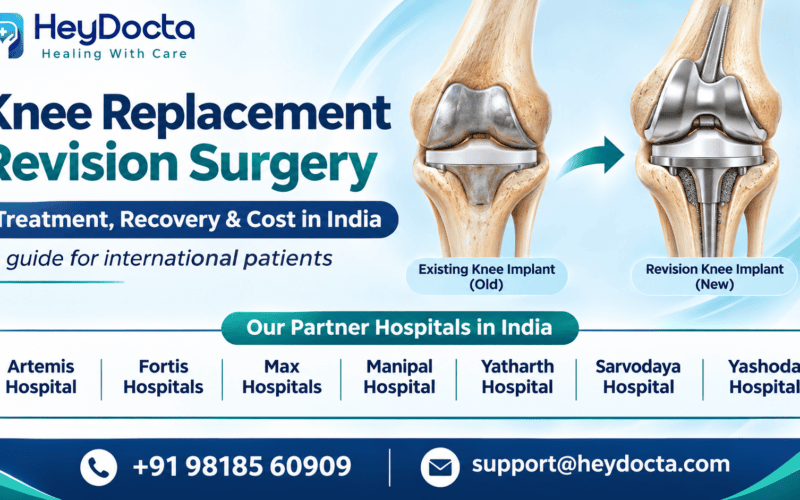
4. Revision Joint Replacement Surgery
When instability is caused by implant malposition, loosening, significant wear, ligament damage or repeated dislocation, revision surgery may be recommended. The surgeon may replace one or more components, adjust implant alignment or use specialised implants designed to improve stability.
5. Soft-Tissue Repair or Reconstruction
In selected cases, damaged ligaments, tendons or other supporting tissues may need repair or reconstruction. The approach depends on the affected joint and the condition of the surrounding tissues.
Revision surgery is generally more complex than primary joint replacement and may involve specialised implants, bone reconstruction or infection treatment.
Orthopaedic Specialist in India
Patients considering treatment for joint replacement instability should consult an orthopaedic surgeon experienced in joint replacement and revision procedures.
Dr. Dhananjay Sabat – Yatharth Hospital is a specialist patients can enquire about for orthopaedic and joint replacement evaluation. Patients should confirm with the hospital whether their specific condition, such as recurrent hip dislocation or unstable knee replacement, is within his current clinical practice.
The specialist will review previous surgery records, implant details, clinical findings and imaging before recommending whether non-surgical treatment or revision surgery is appropriate.
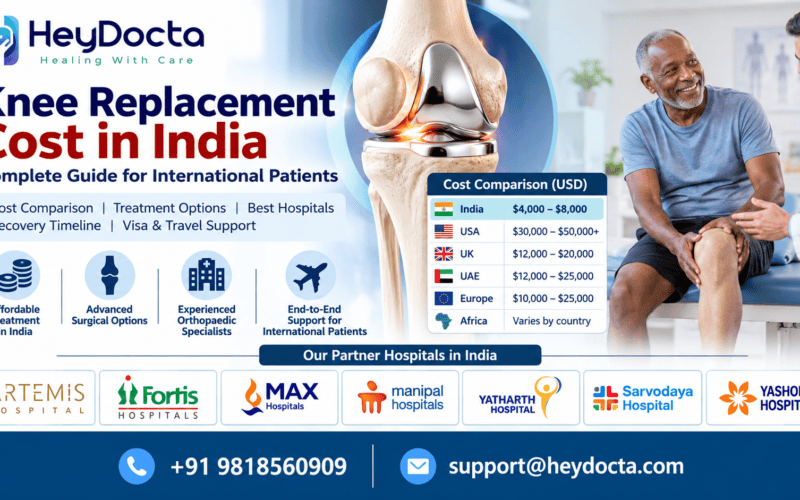
Joint Replacement Instability Treatment Cost in India vs Other Countries
Treatment costs depend on whether instability can be managed without surgery or requires revision hip or knee replacement. A brace or physiotherapy programme costs considerably less than a complex revision operation.
The following table provides indicative planning estimates in USD for revision surgery, not fixed prices or guaranteed hospital packages.
| Country | Revision knee replacement | Revision hip replacement |
| India | $9,000–$18,000 | $10,000–$20,000 |
| USA | $50,000–$100,000 | $55,000–$110,000 |
| UK | $29,500–$54,000* | $33,000–$60,000* |
| Germany | $34,000–$61,000* | $37,500–$67,500* |
| Singapore | $38,000–$65,000* | $42,000–$72,000* |
The India and USA figures are published planning ranges from a medical cost catalogue. Several other country figures are modelled planning estimates, not verified hospital quotations. Pricing methods and inclusions may differ, so these figures are not directly comparable.
What Affects the Cost of Revision Surgery?
The final estimate may depend on:
- Whether the patient needs hip or knee revision.
- Partial component exchange or complete implant replacement.
- Implant brand, design and materials.
- Bone grafting or specialised revision components.
- Ligament or soft-tissue repair.
- Infection testing and treatment, if required.
- Surgeon, anaesthesia and hospital charges.
- Hospital stay, medicines and rehabilitation.
Patients should request a personalised, itemised quotation after the hospital reviews their medical records and imaging. Travel, accommodation and companion expenses should be budgeted separately.
Get Treatment Cost from Indian Hospitals: HeyDocta can coordinate medical record review and help international patients request treatment estimates from its partner hospitals.
Why International Patients Choose India for Joint Replacement Treatment
India is considered by international patients seeking orthopaedic treatment because it offers experienced specialists, modern diagnostic facilities and a range of implant and revision surgery options. Treatment costs may be lower than in several Western countries, although savings depend on the patient’s condition and the services included in the quotation.
HeyDocta coordinates international patient enquiries with its partner hospital network:
- Artemis Hospital
- Fortis Hospitals
- Max Hospitals
- Manipal Hospital
- Yatharth Hospital
- Sarvodaya Hospital
- Yashoda Hospital
Hospital selection should depend on the surgeon’s experience with the required revision procedure, available implant systems, infection-management facilities and rehabilitation services.
Step-by-Step Treatment Process for International Patients
- Share medical records: Send previous surgery reports, implant details, X-rays and recent investigations to HeyDocta.
- Specialist evaluation: The hospital’s orthopaedic team reviews the case and may request additional tests.
- Treatment recommendation: The surgeon explains whether physiotherapy, bracing, closed reduction or revision surgery is appropriate.
- Cost estimate: The hospital provides a personalised treatment plan and estimated expenses.
- Travel planning: HeyDocta assists with appointment coordination, visa guidance and travel arrangements.
- Treatment and hospital care: The patient receives the recommended treatment and post-treatment monitoring.
- Rehabilitation and follow-up: The treating team provides physiotherapy instructions, medication guidance and follow-up recommendations.
Medical Visa and Travel Assistance
International patients travelling to India for joint replacement treatment may require a medical visa, depending on their nationality and applicable immigration rules. Patients should check current requirements through official Indian visa channels.
HeyDocta can assist with:
- Hospital appointment coordination.
- Medical invitation letter coordination, where applicable.
- Medical record sharing and treatment estimates.
- Medical visa application guidance.
- Airport transfers and accommodation arrangements.
- Communication with the hospital during treatment.
Patients should obtain medical advice before booking flights, particularly if they have a recent dislocation or difficulty bearing weight.
Recovery, Hospital Stay and Follow-Up Care
Recovery depends on the cause of instability and the treatment performed. Patients managed with physiotherapy or bracing may not need hospital admission. Following revision joint replacement, hospitalisation for several days may be required, with longer stays possible in complex cases.
After revision surgery, recovery may include:
- Pain management and wound care.
- Walking support, such as a walker or crutches.
- Physiotherapy and muscle strengthening.
- Restrictions on certain movements or weight-bearing.
- Follow-up examinations and X-rays.
Recovery after revision surgery is often slower than after the original joint replacement. Patients should discuss rehabilitation, expected hospital stay and fitness to fly with their treating surgeon before arranging their return journey.
Frequently Asked Questions
1. What is joint replacement instability?
Joint replacement instability occurs when an artificial joint does not remain properly aligned or supported during movement. It may cause looseness, joint shifting, buckling or repeated dislocation.
2. What causes instability after hip or knee replacement?
Common causes include incorrect implant positioning, ligament or muscle weakness, implant wear, loosening, bone loss, fracture and infection.
3. Can joint replacement instability be treated without surgery?
Yes. Mild cases may be managed with physiotherapy, muscle strengthening, activity modification or a knee brace. Treatment depends on the underlying cause.
4. When is revision joint replacement surgery needed?
Revision surgery may be recommended when instability is severe or recurrent, or when it results from implant loosening, malposition, significant wear or damaged supporting structures.
5. What is the cost of revision joint replacement in India?
Indicative planning costs are approximately $9,000–$18,000 for revision knee replacement and $10,000–$20,000 for revision hip replacement. The final cost depends on the procedure, implant and hospital.
6. How long does recovery take after revision joint replacement?
Recovery varies according to the complexity of surgery, bone condition and overall health. Rehabilitation may continue for several months, and complex cases can take longer.
7. Can international patients receive revision joint replacement treatment in India?
Yes. International patients can seek specialist evaluation and treatment at Indian hospitals. HeyDocta helps coordinate medical opinions, hospital estimates, visa guidance and travel arrangements.
Choose HeyDocta for Joint Replacement Treatment in India
Joint replacement instability can affect walking, independence and quality of life. Early evaluation helps identify the underlying problem and determine whether non-surgical treatment or revision surgery is appropriate.
HeyDocta supports international patients by coordinating medical record reviews, specialist consultations, hospital estimates, visa and travel assistance, accommodation guidance and follow-up arrangements through its partner hospitals in India. HeyDocta does not charge patients an additional facilitation fee for its coordination support. Hospital, doctor, implant, investigation, treatment, travel and accommodation expenses are separate and payable as applicable.
Get a Free Medical Opinion with HeyDocta.com, Contact our team to share your medical reports and explore suitable joint replacement treatment options in India.