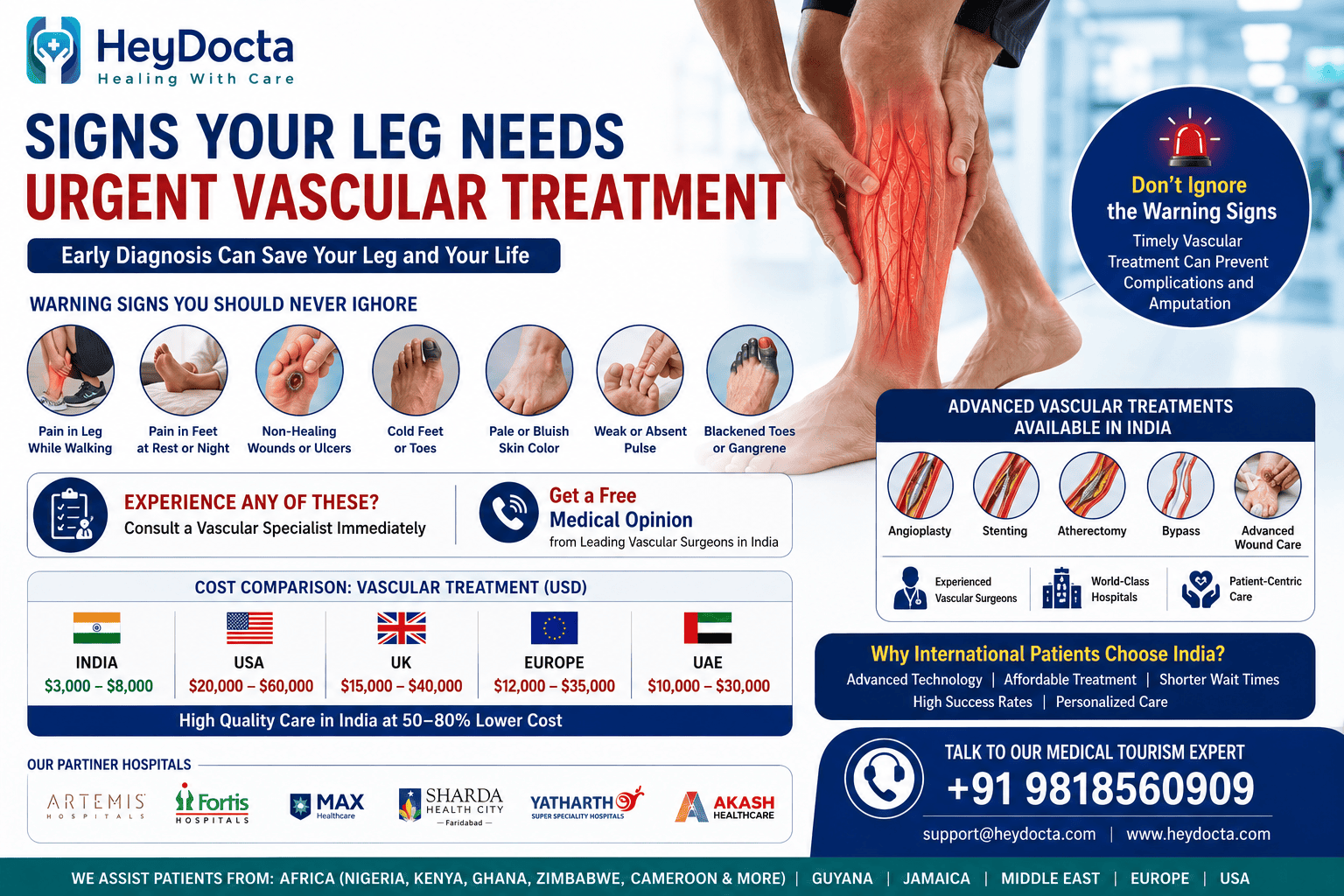
Leg pain, numbness, cold feet, or non-healing wounds are often dismissed as minor health problems. However, these symptoms can sometimes indicate serious vascular disease that requires immediate medical attention. Conditions such as Peripheral Artery Disease (PAD), Critical Limb Ischemia (CLI), and severe arterial blockages can reduce blood flow to the legs, increasing the risk of infection, tissue damage, and even amputation if left untreated.
The good news is that early diagnosis and advanced vascular treatment can restore circulation and improve outcomes. India has become a leading destination for international patients seeking affordable, world-class vascular care from experienced specialists.
If you are experiencing symptoms of poor circulation or have been diagnosed with blocked leg arteries, HeyDocta can connect you with leading vascular specialists in India for a comprehensive evaluation and personalized treatment plan at no additional service cost.
What Is Vascular Disease?
Vascular disease refers to conditions that affect arteries and veins. In the legs, the most common problem is Peripheral Artery Disease (PAD), where fatty deposits narrow or block arteries, reducing blood flow.
Without adequate blood supply, muscles, skin, and tissues cannot receive enough oxygen, leading to pain, ulcers, and serious complications.
Early treatment is essential to protect your mobility and overall health.
Warning Signs Your Leg Needs Urgent Vascular Treatment
Recognizing symptoms early can prevent serious complications.
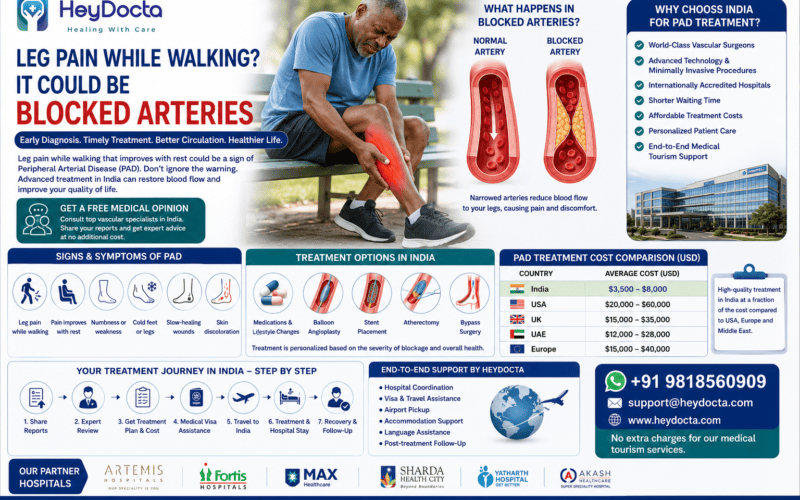
1. Pain While Walking
Pain, cramping, or heaviness in the calf, thigh, or buttock during walking that improves with rest may indicate PAD.
2. Pain at Rest
Persistent pain in the feet or toes, especially at night, can be a sign of Critical Limb Ischemia and requires urgent medical evaluation.
3. Non-Healing Foot or Leg Wounds
Wounds that do not heal within several weeks may indicate poor blood circulation and require specialist assessment.
4. Cold Feet or Toes
One leg or foot that feels colder than the other may suggest reduced blood flow.
5. Skin Color Changes
Pale, bluish, or dark-colored skin can indicate poor circulation.
6. Weak or Absent Pulse
A weak pulse in the foot may be a sign of blocked arteries.
7. Numbness or Weakness
Persistent numbness or weakness in the leg should never be ignored.
8. Blackened Toes or Gangrene
Black tissue, severe infection, or gangrene requires emergency vascular care.
Who Is at Higher Risk?
People with the following conditions have a higher risk of vascular disease:
- Diabetes
- Smoking
- High cholesterol
- High blood pressure
- Kidney disease
- Obesity
- Older age
- Family history of vascular disease
If you have these risk factors, regular vascular check-ups are recommended.
Why Early Treatment Matters
Timely treatment can:
- Restore blood flow
- Reduce pain
- Promote wound healing
- Prevent infections
- Improve walking ability
- Lower the risk of amputation
Delaying treatment can allow the disease to progress, making management more complex.
Why International Patients Choose India
India is one of the world’s leading destinations for vascular treatment because of:
- Experienced vascular surgeons
- Advanced diagnostic imaging
- Modern minimally invasive procedures
- International-standard hospitals
- Affordable treatment packages
- Short waiting periods
- Comprehensive patient care
Patients from Nigeria, Ghana, Kenya, Zimbabwe, Cameroon, Guyana, Jamaica, Europe, the Middle East, and the USA choose India for quality treatment at significantly lower costs.
Advanced Vascular Treatment Options in India
Treatment depends on the severity of arterial blockage and the patient’s overall health.
Diagnostic Evaluation
Doctors may recommend:
- Doppler Ultrasound
- CT Angiography
- MR Angiography
- Digital Subtraction Angiography
- Blood tests
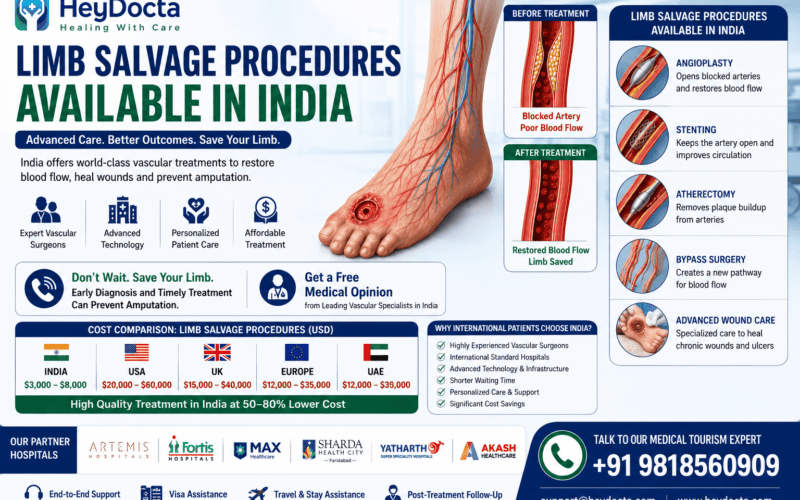
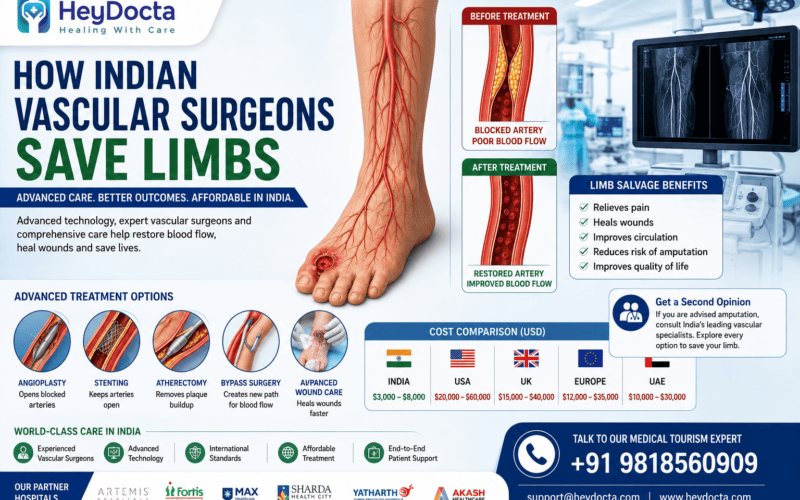
Balloon Angioplasty
A minimally invasive procedure that opens narrowed arteries using a balloon catheter.
Stent Placement
A metal stent helps keep the artery open after angioplasty.
Atherectomy
Special devices remove plaque from blocked arteries in selected patients.
Bypass Surgery
For severe blockages, surgeons create a new pathway to restore blood circulation.
Advanced Wound Care
Patients with diabetic foot ulcers or chronic wounds receive specialized wound management to promote healing.
Expert Vascular Care in India
Leading vascular surgeon Dr. Bishwarup Purkayastha specializes in treating Peripheral Artery Disease, Critical Limb Ischemia, diabetic foot complications, and complex arterial blockages using advanced endovascular and surgical techniques. Treatment plans are customized based on each patient’s condition and diagnostic findings.
Cost Comparison: India vs Other Countries
India offers high-quality vascular treatment at a fraction of international costs.
| Country | Estimated Treatment Cost (USD) |
|---|---|
| India | $3,000–$8,000 |
| USA | $20,000–$60,000 |
| UK | $15,000–$40,000 |
| Europe | $12,000–$35,000 |
| UAE | $10,000–$30,000 |
Costs vary depending on:
- Diagnostic investigations
- Procedure performed
- Hospital selection
- Length of stay
- Patient’s medical condition
International patients often save 50–80% by choosing treatment in India.
Get Treatment Cost from Top Indian Hospitals
HeyDocta helps patients receive personalized treatment estimates from India’s leading hospitals before planning their medical journey.
Leading Hospitals in India
HeyDocta partners with trusted healthcare institutions, including:
- Artemis Hospital
- Fortis Hospitals
- Max Hospitals
- Sharda Health City
- Yatharth Hospital
- Akash Healthcare
Hospital recommendations are based on your diagnosis, treatment needs, and budget.
Step-by-Step Treatment Journey
Step 1: Share Medical Reports
Send your medical history, imaging, and test results to HeyDocta.
Step 2: Specialist Review
Leading vascular specialists evaluate your reports.
Step 3: Treatment Plan and Cost Estimate
Receive a detailed treatment recommendation and transparent cost estimate.
Step 4: Travel Assistance
HeyDocta assists with:
- Medical visa documentation
- Hospital appointments
- Accommodation
- Airport transfers
Step 5: Treatment in India
Doctors perform advanced vascular procedures based on your diagnosis.
Step 6: Recovery
Patients receive medications, rehabilitation guidance, and discharge planning.
Step 7: Follow-Up Care
Virtual consultations continue after returning home.
Recovery After Vascular Treatment
| Treatment | Hospital Stay | Recovery Time |
|---|---|---|
| Angioplasty | 1–2 days | 1–2 weeks |
| Stenting | 1–2 days | 1–2 weeks |
| Atherectomy | 1–2 days | 1–2 weeks |
| Bypass Surgery | 5–7 days | 4–8 weeks |
Patients are advised to:
- Quit smoking
- Control diabetes
- Take prescribed medications
- Walk regularly
- Follow a heart-healthy diet
- Attend follow-up appointments
Medical Visa and Travel Support
HeyDocta provides complete assistance for international patients, including:
- Medical visa guidance
- Hospital coordination
- Accommodation support
- Airport pickup
- Interpreter services when needed
- Dedicated patient coordinators
- Post-treatment follow-up
These services are provided without additional facilitation charges.
Why Choose HeyDocta?
HeyDocta.com is a trusted medical tourism facilitator offering:
- Free medical opinion
- Hospital comparison
- Expert doctor coordination
- Transparent pricing
- Visa assistance
- Travel planning
- Personalized patient support
- Follow-up coordination
- No extra service fees
Frequently Asked Questions
When should I seek urgent vascular treatment?
Seek immediate medical attention if you have severe leg pain at rest, sudden coldness, non-healing wounds, blackened toes, or sudden loss of sensation or movement.
Can blocked leg arteries be treated without surgery?
Many patients are treated successfully with minimally invasive procedures such as angioplasty and stenting, depending on the severity of the blockage.
How long should international patients stay in India?
Most patients stay for 7–21 days, depending on the treatment and recovery.
Is vascular treatment in India affordable?
Yes. India provides advanced vascular care at significantly lower costs than many countries while maintaining high standards of treatment.
Can diabetic foot ulcers be treated?
Many diabetic foot ulcers improve with restored blood flow, wound care, infection control, and diabetes management. Treatment depends on the individual case.
Is every patient with leg pain suffering from PAD?
No. Leg pain has many possible causes. A vascular specialist can determine whether your symptoms are related to poor blood circulation.
Does early treatment reduce the risk of amputation?
Early diagnosis and timely vascular treatment can improve blood flow and reduce the risk of severe complications, although outcomes depend on the underlying condition.
Conclusion
Ignoring persistent leg pain, cold feet, or non-healing wounds can allow vascular disease to progress. Recognizing the warning signs and seeking expert evaluation early can improve treatment options and reduce the risk of serious complications. India offers advanced vascular care, experienced specialists, internationally recognized hospitals, and affordable treatment, making it a preferred destination for patients from around the world.
If you notice warning signs of poor circulation or have been diagnosed with Peripheral Artery Disease or Critical Limb Ischemia, contact HeyDocta today. Our team helps international patients from Africa, the Middle East, Europe, the USA, Guyana, and Jamaica connect with leading vascular specialists, including Dr. Bishwarup Purkayastha, to Get free medical opinion, compare treatment costs, arrange medical visas, and access complete end-to-end support throughout their treatment journey in India.