
Heart disease remains one of the leading causes of death worldwide, affecting millions of people across Africa, the Middle East, Europe, the Caribbean, and North America. Many individuals only discover they have a heart condition after experiencing symptoms such as chest pain, shortness of breath, or even a heart attack. The good news is that many risk factors for heart disease can be managed naturally through healthy lifestyle choices and preventive healthcare.
For patients from Nigeria, Kenya, Ghana, Zimbabwe, Cameroon, Jamaica, Guyana, the Middle East, Europe, and the USA, understanding how to reduce heart disease risk naturally is an important step toward long-term cardiovascular health. India has also become a preferred destination for affordable cardiac screening, preventive cardiology consultations, and advanced heart care when needed.
Get a Free Medical Opinion through heydocta.com and learn about preventive heart health assessments and affordable cardiac care options in India.
Understanding Heart Disease and Why Prevention Matters
Heart disease is a broad term that includes several cardiovascular conditions, such as:
- Coronary artery disease
- Heart failure
- Heart valve disease
- Arrhythmias
- Cardiomyopathy
- Congenital heart conditions
Many of these conditions develop gradually over years due to factors such as unhealthy diet, smoking, high blood pressure, diabetes, obesity, and lack of physical activity.
Preventive care plays a crucial role in reducing the likelihood of serious cardiovascular complications. Early detection and lifestyle modifications can help individuals manage risk factors before they lead to advanced heart disease.
Why International Patients Choose India for Preventive Heart Care
Many patients travel to India not only for treatment but also for preventive cardiac evaluations and health screenings.
Affordable Cardiac Screening
Comprehensive heart health assessments in India often cost significantly less than in Western countries.
Access to Experienced Cardiologists
India has highly experienced heart specialists who provide preventive consultations and personalized risk assessments.
Advanced Diagnostic Technology
Leading hospitals offer:
- ECG
- Echocardiography
- Treadmill Stress Testing
- Cardiac CT Scans
- Blood Investigations
- Cholesterol Screening
- Cardiac Risk Assessments
Faster Appointments
Patients can often schedule consultations and diagnostic evaluations without long waiting periods.
Comprehensive International Patient Support
Hospitals and medical tourism facilitators assist with appointments, travel planning, and follow-up care.
How to Reduce Heart Disease Risk Naturally
While some risk factors such as age and family history cannot be changed, many lifestyle-related factors can be improved.
Follow a Heart-Healthy Diet
Diet plays a major role in cardiovascular health.
A heart-friendly diet should include:
- Fresh fruits
- Vegetables
- Whole grains
- Lean proteins
- Fish rich in omega-3 fatty acids
- Nuts and seeds
- Healthy oils in moderation
Foods that should be limited include:
- Processed foods
- Sugary beverages
- Excess salt
- Trans fats
- Excessive red meat consumption
Balanced nutrition can help maintain healthy cholesterol levels, blood pressure, and body weight.
Stay Physically Active
Regular exercise strengthens the heart and improves circulation.
Most adults should aim for:
- At least 150 minutes of moderate exercise per week
- Walking
- Cycling
- Swimming
- Light jogging
- Aerobic activities
Physical activity may help reduce blood pressure, improve cholesterol levels, and support weight management.
Maintain a Healthy Weight
Excess body weight increases the risk of:
- High blood pressure
- Diabetes
- Coronary artery disease
- Heart failure
Achieving and maintaining a healthy weight through diet and exercise can significantly improve cardiovascular health.
Control Blood Pressure
High blood pressure is often called a “silent condition” because it may not cause symptoms until complications occur.
Regular monitoring and lifestyle modifications can help maintain healthy blood pressure levels.
Manage Diabetes Effectively
Poorly controlled diabetes increases the risk of heart disease and stroke.
Managing blood sugar levels through:
- Healthy eating
- Regular exercise
- Medical supervision
- Medication adherence
can help reduce cardiovascular risks.
Quit Smoking
Smoking damages blood vessels, increases blood pressure, and significantly raises the risk of heart attacks and stroke.
Stopping smoking remains one of the most important steps for improving heart health.
Limit Alcohol Consumption
Excessive alcohol intake may contribute to:
- High blood pressure
- Irregular heart rhythms
- Weight gain
Moderation is important for cardiovascular health.
Reduce Stress
Chronic stress may affect blood pressure, sleep quality, and overall heart health.
Helpful stress-management strategies include:
- Meditation
- Deep breathing exercises
- Physical activity
- Adequate sleep
- Relaxation techniques
Prioritize Sleep
Adults generally require 7 to 9 hours of quality sleep per night.
Poor sleep patterns may increase the risk of:
- Hypertension
- Obesity
- Diabetes
- Heart disease
Schedule Regular Health Checkups
Many heart conditions develop without obvious symptoms.
Routine evaluations can help identify:
- High cholesterol
- High blood pressure
- Diabetes
- Early cardiovascular disease
before serious complications occur.
When Lifestyle Changes Alone Are Not Enough
Although lifestyle modifications are essential, some patients may still require medical intervention due to:
- Family history of heart disease
- Significant coronary artery blockages
- Heart valve disorders
- Advanced heart failure
- Congenital heart conditions
In such cases, early diagnosis and appropriate treatment become important components of long-term heart health.
Cost Comparison: Preventive Cardiac Care and Heart Treatment
One reason many international patients choose India is affordability.
Comprehensive Cardiac Checkup Costs
| Country | Average Cost |
|---|---|
| India | USD 100 – USD 500 |
| USA | USD 1,500 – USD 5,000 |
| UK | USD 1,000 – USD 3,500 |
| Germany | USD 1,200 – USD 4,000 |
| UAE | USD 800 – USD 2,500 |
Coronary Angioplasty Costs
| Country | Average Cost |
|---|---|
| India | USD 3,000 – USD 7,000 |
| USA | USD 30,000 – USD 70,000 |
| UK | USD 15,000 – USD 35,000 |
| Germany | USD 18,000 – USD 40,000 |
| UAE | USD 10,000 – USD 25,000 |
Bypass Surgery Costs
| Country | Average Cost |
|---|---|
| India | USD 5,500 – USD 10,000 |
| USA | USD 70,000 – USD 200,000 |
| UK | USD 35,000 – USD 70,000 |
| Germany | USD 30,000 – USD 80,000 |
| UAE | USD 20,000 – USD 50,000 |
These cost differences make India an attractive option for preventive care and advanced cardiac treatment.
Get Treatment Cost from Top Indian Hospitals
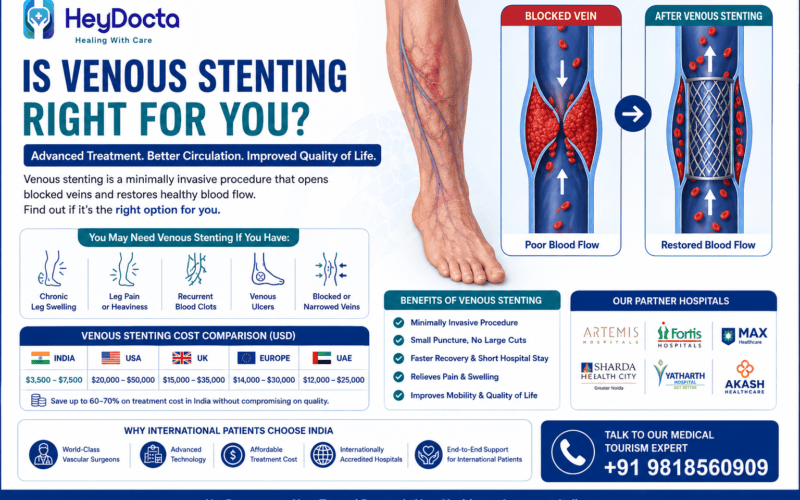
Through heydocta.com, patients can receive personalized treatment plans and cost estimates from leading cardiac hospitals across India before making travel arrangements.
Best Hospitals in India for Preventive and Advanced Cardiac Care
Several hospitals in India are recognized for comprehensive cardiology services and international patient support.
Artemis Hospital
Offers preventive cardiology consultations, advanced diagnostics, and cardiac treatment programs.
Fortis Hospitals
Provides comprehensive cardiovascular care and preventive health screening packages.
Max Hospitals
Known for advanced cardiology services and personalized heart health evaluations.
Sharda Health City
Offers affordable preventive health assessments and cardiac treatment solutions.
Yatharth Hospital
Provides modern cardiac diagnostics and treatment services.
Akash Healthcare
Offers patient-focused cardiovascular screening and treatment planning.
The choice of hospital depends on individual healthcare needs and physician recommendations.
How International Patients Can Access Heart Care in India
Step 1: Share Medical Information
Patients submit available reports, symptoms, and health concerns.
Step 2: Specialist Review
Cardiologists assess cardiovascular risk and recommend evaluations or treatment.
Step 3: Receive a Personalized Plan
Patients receive recommendations, estimated costs, and travel guidance.
Step 4: Medical Visa Assistance
heydocta.com helps coordinate documentation and appointments.
Step 5: Travel and Evaluation
Patients undergo consultations and diagnostic testing.
Step 6: Treatment or Preventive Care
Based on findings, doctors may recommend lifestyle modifications, medications, procedures, or surgery.
Step 7: Follow-Up Care
Patients receive detailed reports and ongoing support after returning home.
Medical Visa and Travel Support
heydocta.com supports international patients through:
- Hospital coordination
- Doctor appointments
- Medical visa guidance
- Invitation letters
- Accommodation assistance
- Airport transfers
- International patient support
- Follow-up coordination
These services are provided at no extra cost to patients.
Recovery and Long-Term Follow-Up
Preventive cardiac evaluations generally require minimal recovery time.
For patients undergoing cardiac procedures:
Angioplasty
- Hospital stay: 1–3 days
- Recommended stay in India: 5–7 days
Cardiac Surgery
- Hospital stay: 5–10 days
- Recommended stay in India: 2–4 weeks
Long-term success depends on continued lifestyle modifications and regular follow-up care.
Frequently Asked Questions
Can heart disease be prevented naturally?
Many heart disease risk factors can be reduced through healthy eating, exercise, weight management, smoking cessation, and regular medical checkups.
What is the best diet for heart health?
A diet rich in fruits, vegetables, whole grains, lean proteins, and healthy fats is generally recommended for cardiovascular health.
How much exercise is recommended for heart health?
Most adults should aim for at least 150 minutes of moderate physical activity each week.
When should I have a cardiac screening?
Adults with risk factors such as diabetes, hypertension, obesity, smoking history, or family history of heart disease should consider regular cardiac evaluations.
Why do international patients choose India for heart care?
India offers advanced cardiac expertise, modern technology, shorter waiting times, and significantly lower healthcare costs.
How much can I save by seeking cardiac care in India?
Many patients save between 60% and 80% compared to treatment costs in the USA, Europe, and some Middle Eastern countries.
Can heydocta.com help with travel and treatment planning?
Yes. heydocta.com provides hospital coordination, visa assistance, cost estimates, appointment scheduling, and follow-up support.
Conclusion
Understanding how to reduce heart disease risk naturally is one of the most important steps toward maintaining long-term cardiovascular health. Healthy eating, regular physical activity, weight management, smoking cessation, stress reduction, and routine medical checkups can significantly lower the risk of developing serious heart conditions.
For patients from Africa, the Middle East, Europe, the Caribbean, and North America, India offers affordable access to preventive cardiology services, advanced diagnostics, and world-class cardiac treatment when needed. Early detection and proactive healthcare decisions can play a vital role in protecting heart health.
Individual medical recommendations should always be based on professional evaluation, and outcomes may vary depending on each patient’s health condition.
Talk to Our Medical Tourism Expert
If you would like to assess your heart disease risk or explore affordable cardiac care options in India, heydocta.com can help you connect with leading hospitals including Artemis Hospital, Fortis Hospitals, Max Hospitals, Sharda Health City, Yatharth Hospital, and Akash Healthcare. Our team provides end-to-end support including medical record reviews, hospital coordination, treatment cost estimates, medical visa assistance, travel planning, accommodation guidance, and follow-up support. Contact heydocta.com today to get a free medical opinion and receive personalized recommendations from experienced cardiac specialists in India—at no extra cost to patients.