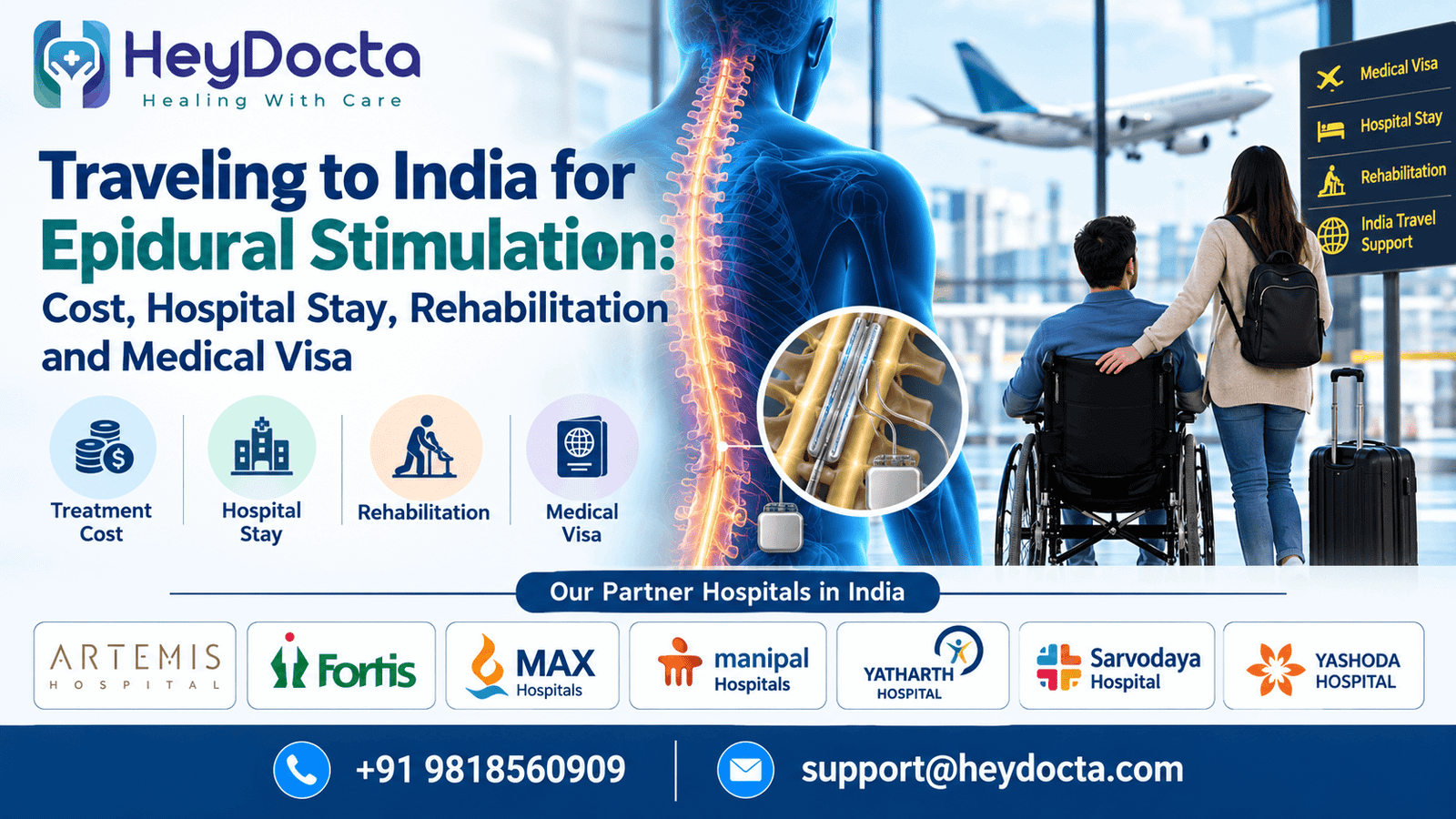
Traveling to India for epidural stimulation is becoming an option that some international spinal cord injury patients explore when looking for specialist evaluation, neuromodulation and rehabilitation. Epidural spinal cord stimulation (eSCS) is an emerging treatment approach that may help selected patients with spinal cord injury improve certain motor or functional abilities, particularly when combined with intensive rehabilitation. It is not a guaranteed treatment or cure, and suitability must be assessed individually.
For patients from Nigeria, Ghana, Kenya, Cameroon, Zimbabwe, Guyana, Jamaica, the Middle East, the USA and Europe, India can offer access to specialist spine care at comparatively lower costs. HeyDocta helps international patients coordinate medical opinions, hospitals, treatment estimates, travel and follow-up support.
Get a Free Medical Opinion: Send your MRI reports, medical history and previous treatment records to HeyDocta for an initial assessment and guidance on suitable treatment options in India.
Why International Patients Consider India for Epidural Stimulation
Patients considering epidural stimulation often look beyond the procedure itself. They need a complete treatment pathway involving specialist assessment, implantation when appropriate, device programming and rehabilitation.
India may be attractive because of:
- Experienced spine and neurological specialists
- Advanced tertiary-care hospitals
- Multidisciplinary rehabilitation services
- Lower treatment costs compared with several Western countries
- International patient departments
- English-speaking medical teams
- Availability of video consultations before travel
- Support with hospital coordination and medical travel
However, patients should compare treatment plans rather than choosing a destination based only on price.
What Is Epidural Stimulation?
Epidural spinal cord stimulation involves placing electrodes near the spinal cord to deliver controlled electrical stimulation. The objective is to modulate spinal cord circuits and potentially support functional activity.
Research in spinal cord injury is still developing. A systematic review of 64 studies involving 306 patients reported improvements in several motor and functional outcomes, but the studies used different devices, stimulation protocols and rehabilitation programmes.
Importantly, eSCS for spinal cord injury should not be confused with conventional spinal cord stimulation commonly used for chronic pain.
Who May Be Considered for Epidural Stimulation?
Eligibility depends on individual neurological and medical factors. A specialist may assess:
- Level of spinal cord injury
- Complete or incomplete injury
- Time since injury
- Remaining motor or sensory function
- Muscle strength and control
- MRI and other imaging findings
- Previous spinal surgeries
- General health
- Previous rehabilitation
- Ability to participate in intensive rehabilitation
Not every patient with paralysis or spinal cord injury will be suitable.
Epidural Stimulation Specialist in India
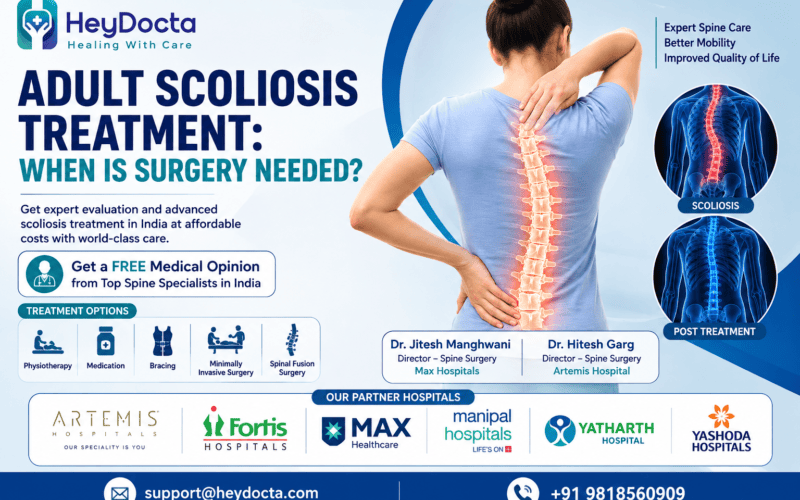
Dr Jitesh Manghwani is Associate Director & Unit Head – Orthopaedic Spine Surgery at Max Super Speciality Hospital, Shalimar Bagh, with 11+ years of experience. His listed areas include spine surgery, minimally invasive spine procedures, endoscopic and navigated spine surgery, spinal deformity and spinal pain management. Max also provides video consultation and second-opinion services.
For an international patient, a video consultation before travel can help determine whether an in-person evaluation in India is appropriate.
Epidural Stimulation Cost in India
One of the biggest advantages considered by medical travellers is affordability. However, there is currently no standardized public price specifically for epidural stimulation for spinal cord injury in India.
Published estimates for conventional spinal cord stimulation provide a useful planning reference. One current international comparison lists conventional SCS in India at approximately USD 15,000–25,000, compared with around USD 30,000–50,000 in the UK.
Another 2026 source estimates conventional SCS in India at approximately USD 15,000–35,000, compared with USD 50,000–100,000 in the USA.
These figures should not be presented as a fixed eSCS package price. Epidural stimulation for SCI may involve different technology, surgical planning and rehabilitation requirements.
Cost Comparison: India vs Other Countries
| Country/Region | Related SCS Planning Range |
| India | USD 15,000–35,000 |
| USA | USD 50,000–100,000 |
| UK | USD 30,000–50,000 |
| UAE | USD 28,000–48,000 |
| Saudi Arabia | USD 25,000–42,000 |
| Singapore | USD 35,000–60,000 |
These are reference ranges for conventional spinal cord stimulation, not guaranteed epidural stimulation costs for SCI.
What Can Affect the Final Cost?
The individual treatment estimate may include:
- Specialist consultation
- MRI and neurological investigations
- Pre-operative assessment
- Implant and electrodes
- Surgical and anaesthesia charges
- Hospital room and nursing
- Device programming
- Physiotherapy
- Rehabilitation
- Follow-up consultations
- Additional treatment if complications occur
International patients should request an itemized quotation before travelling.
Talk to Our Medical Tourism Expert: HeyDocta can coordinate medical records with partner hospitals and help international patients obtain a personalized treatment plan and cost estimate.
Our Partner Hospitals in India
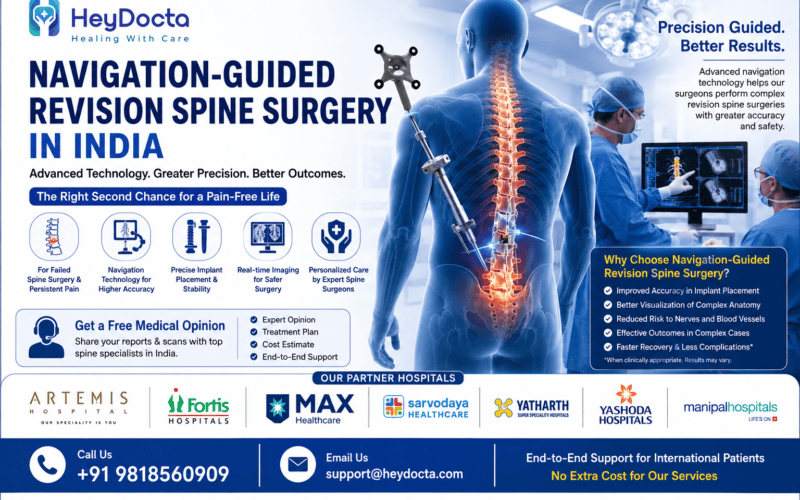
HeyDocta works with partner hospitals that provide specialist and multidisciplinary medical services, including:
- Artemis Hospital
- Fortis Hospitals
- Max Hospitals
- Manipal Hospital
- Yatharth Hospital
- Sarvodaya Hospital
- Yashoda Hospital
The appropriate hospital depends on the patient’s diagnosis, treatment requirements, specialist availability and rehabilitation needs.
Treatment Journey: From Consultation to Rehabilitation
1. Send Medical Records
International patients can share MRI scans, medical reports, previous surgery details and rehabilitation records with HeyDocta.
2. Remote Medical Opinion
A specialist can review the available records and advise whether an in-person assessment in India may be appropriate.
3. Travel and Hospital Planning
If treatment in India is recommended, HeyDocta can help coordinate the hospital appointment, medical documentation and travel planning.
4. Detailed Assessment in India
The patient undergoes neurological, spinal and functional assessments. Additional imaging or investigations may be requested.
5. Treatment Decision
The specialist determines whether epidural stimulation is appropriate or whether another treatment or rehabilitation strategy would be more suitable.
6. Procedure and Programming
If the patient is selected for implantation, the stimulation system is placed and programmed according to the treatment plan.
7. Rehabilitation
Rehabilitation is a major component of the treatment pathway. The systematic review of eSCS studies found that treatment was particularly promising when combined with intensive physical rehabilitation.
8. Follow-Up
Follow-up may include device programming, functional assessment, physiotherapy and monitoring for complications.
Hospital Stay and Rehabilitation in India
The exact hospital stay cannot be predicted before medical assessment. It depends on the procedure, patient’s health, recovery and rehabilitation requirements.
For conventional SCS, published treatment information commonly describes short hospital stays, but spinal cord injury patients undergoing eSCS may require a more individualized rehabilitation programme.
International patients should therefore plan for more than just the surgical hospital stay. Accommodation near the hospital and additional rehabilitation time may be necessary.
Medical Visa for Epidural Stimulation in India
India’s official e-Visa system recognizes medical treatment as an eligible purpose for an e-Medical Visa. Applicants generally need a valid passport and a letter from the Indian hospital containing the proposed or tentative treatment/admission information. The official portal states that the passport should have at least six months’ validity at the time of application.
Visa rules can change, so patients should check the official Indian e-Visa portal before making travel arrangements.
HeyDocta can assist with hospital documentation, visa-related guidance, airport transfers, accommodation coordination and other medical travel arrangements.
How Long Should You Stay in India?
There is no single stay duration for every epidural stimulation patient.
Your total stay may include:
- Initial specialist consultation
- Diagnostic testing
- Procedure
- Early recovery
- Device programming
- Rehabilitation
- Follow-up assessment
Patients should obtain a personalized timeline from the treating hospital before booking return flights.
Frequently Asked Questions
Is epidural stimulation available in India?
Epidural stimulation for spinal cord injury is an emerging treatment approach, and Indian specialists and hospitals are evaluating and providing neuromodulation-related care for selected patients. Suitability depends on individual assessment.
How much does epidural stimulation cost in India?
There is no standardized public price specifically for eSCS for SCI. Related conventional spinal cord stimulation estimates are approximately USD 15,000–35,000 in India, but the actual eSCS cost can differ considerably.
Is epidural stimulation a cure for paralysis?
No. It is an emerging treatment approach, and outcomes vary. Some studies have reported improvements in motor and functional abilities, particularly alongside intensive rehabilitation, but recovery cannot be guaranteed.
How long will I need to stay in India?
The stay depends on the patient’s medical condition, procedure, recovery, programming and rehabilitation needs. The treating hospital should provide an individualized timeline.
Can I get a medical visa for treatment in India?
Eligible international patients can apply for an Indian e-Medical Visa. A hospital letter confirming the proposed treatment/admission is among the listed requirements.
Do I need rehabilitation after epidural stimulation?
Rehabilitation is generally an important part of the treatment approach. Research suggests that eSCS may be particularly useful when combined with intensive physical rehabilitation.
How can HeyDocta help me travel to India?
HeyDocta can help coordinate medical records, specialist opinions, partner hospitals, treatment estimates, hospital appointments, visa-related documentation, accommodation, airport transfers and follow-up support. There is no extra facilitation cost to patients for HeyDocta’s medical tourism coordination.
Conclusion
Traveling to India for epidural stimulation requires more planning than simply arranging a surgical appointment. Patients should evaluate their neurological condition, treatment eligibility, expected rehabilitation needs, hospital stay and total treatment cost before travelling.
India may offer a comparatively affordable option for selected international patients, but cost should not be the only factor. The quality of specialist assessment, rehabilitation programme, hospital infrastructure and long-term follow-up are equally important.
For patients from Africa, the Middle East, the USA, Europe and the Caribbean, HeyDocta can simplify the journey by coordinating medical opinions, partner hospitals, treatment estimates and travel support.
Get a Free Medical Opinion: Contact HeyDocta.com with your medical reports and MRI scans to explore whether epidural stimulation in India may be appropriate for your condition and receive guidance on estimated treatment costs, hospital stay and rehabilitation planning.