
Bone Marrow Transplant for MDS in India can be an important treatment option for selected patients with myelodysplastic syndromes (MDS), particularly those with higher-risk disease who may be suitable for an allogeneic stem cell transplant. For international patients from Nigeria, Kenya, Ghana, Zimbabwe, Cameroon, Guyana, Jamaica, the Middle East, Europe and the USA, India offers specialised haematology and transplant services with treatment costs that can be considerably lower than those reported in the United States. However, transplant eligibility must be assessed individually based on MDS type, risk category, age, overall health, disease status and donor availability. The National Cancer Institute lists supportive care, drug therapy and stem-cell transplant among MDS treatment approaches.
HeyDocta supports international patients with medical opinions, hospital coordination, treatment-cost estimates, medical visa guidance, travel assistance and follow-up planning.
Get a Free Medical Opinion: Share your MDS reports with HeyDocta to receive guidance on potential treatment and transplant options in India.
Why International Patients Consider India for MDS Treatment
MDS requires specialised diagnosis and long-term haematology care. When stem-cell transplantation is recommended, patients need access to a transplant centre with experienced specialists, donor-matching facilities, infection-control protocols and post-transplant monitoring.
International patients may consider India because of:
- Experienced haematology and BMT teams
- Advanced diagnostic and molecular testing facilities
- Allogeneic stem-cell transplant programs
- Multidisciplinary cancer care
- Comparatively lower treatment costs
- International patient coordination
- Medical visa and travel assistance
- Access to hospitals in major Indian cities
The appropriate hospital should be selected according to the patient’s diagnosis, transplant requirement, specialist expertise and clinical condition rather than simply by a generic ranking.
What Is MDS?
Myelodysplastic syndromes (MDS) are a group of disorders in which abnormal blood-forming cells in the bone marrow do not produce healthy blood cells effectively. Patients may develop anemia, low platelet counts or low white blood-cell counts.
MDS varies considerably from patient to patient. Doctors assess factors such as blood counts, bone-marrow findings, chromosome changes, genetic abnormalities and blast percentage to understand disease risk and determine treatment.
Treatment may include:
- Supportive care and blood transfusions
- Growth factors
- Medicines that modify disease activity
- Chemotherapy in selected situations
- Stem-cell transplantation
The NCI notes that certain patients with MDS may receive intensive treatment followed by a stem-cell transplant using donor cells.
Is Bone Marrow Transplant the Main Treatment for MDS?
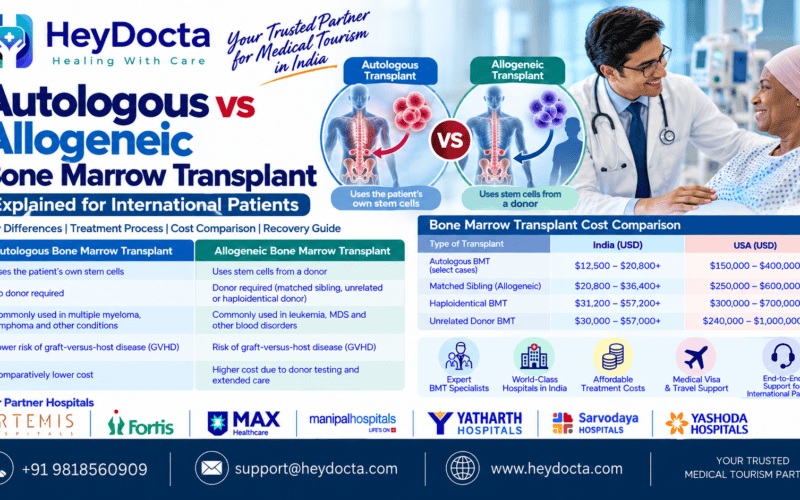
Unlike some cancers where transplant is used routinely, allogeneic stem-cell transplantation is generally considered only for selected MDS patients.
An allogeneic transplant uses blood-forming stem cells from another person. The donor may be a matched sibling, unrelated donor or another suitable donor depending on the patient’s circumstances.
The transplant team considers:
- MDS risk category
- Patient’s age and overall health
- Blood counts and bone-marrow findings
- Genetic and chromosomal abnormalities
- Previous treatments
- Disease response
- Availability of a suitable donor
- Ability to tolerate intensive treatment
NCI explains that the choice of stem-cell transplant and donor depends on factors including the disease, other available treatments, ability to tolerate high-dose treatment and availability of appropriately matched donor cells.
Bone Marrow Transplant Specialist for MDS in India
Dr. Gaurav Dixit at Artemis Hospitals, Gurugram is Head – Haematology Oncology & Bone Marrow Transplant. Artemis lists his specialties as BMT, haematopoietic stem-cell transplantation, haematology, oncology and paediatric haemato-oncology & BMT. His listed areas of expertise include myelodysplastic syndrome, acute myeloid leukemia, leukemia, lymphoma, multiple myeloma and other blood disorders.
His listed transplant procedures include:
- Matched sibling allogeneic stem-cell transplant
- Haploidentical stem-cell transplant
- Matched unrelated donor transplant
- Autologous stem-cell transplant
- CAR-T cell therapy
Bone Marrow Transplant Cost for MDS in India
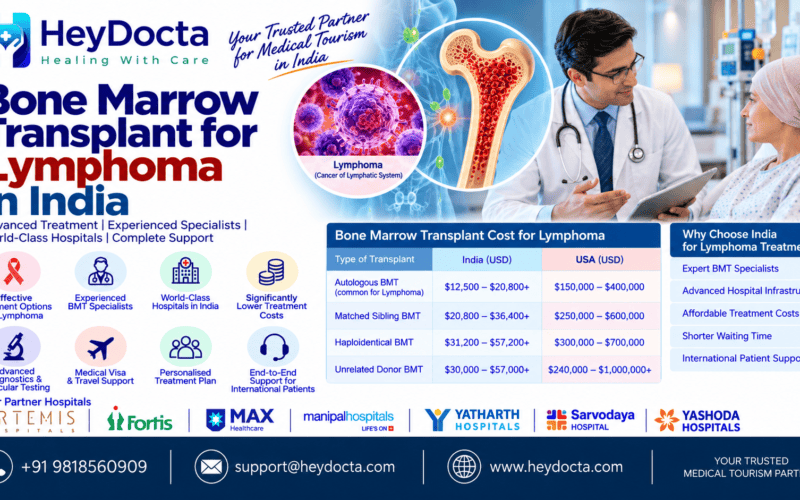
The bone marrow transplant cost in India varies according to the transplant type, hospital, disease condition, donor requirements, medicines, duration of hospitalisation and complications.
Some Hospitals currently reports a general BMT cost range of USD15,700 to 31,500 while noting that the actual cost can vary according to hospital, location, room category and complications.
MDS Bone Marrow Transplant Cost: India vs USA
| Country | Indicative Cost | Important Considerations |
| India | USD 15,600–31,300 for general BMT planning | Depends on transplant type and complications |
| India – allogeneic transplant | Often higher than basic BMT estimates | Donor matching, medicines and monitoring can increase cost |
| USA | USD 240,000 to over USD 1 million for unrelated transplant and up to 6 months of care | Donor search and extended care can add costs |
| Europe | Varies substantially by country and healthcare system | Private/self-funded costs differ between countries |
The U.S. Health Resources & Services Administration reports that an unrelated bone marrow or cord-blood transplant can cost USD 240,000 to more than USD 1 million, including the transplant and up to six months of care. Donor-search costs may also be additional.
These figures are not directly equivalent package-to-package comparisons because hospitals and healthcare systems may include different services in their quotations.
What Affects the Total Cost of MDS Transplant?
The final treatment quotation may depend on:
- Type of transplant
- Donor matching and HLA testing
- MDS risk and disease status
- Pre-transplant chemotherapy
- Stem-cell collection and processing
- Conditioning treatment
- Hospital room and isolation facilities
- Blood and platelet transfusions
- Antibiotics and other medicines
- Laboratory and molecular testing
- Duration of hospitalisation
- Infection or other complications
- Post-transplant medicines
- Follow-up investigations
International patients should also budget separately for flights, accommodation, food, caregiver expenses, local transportation and extended stays if required.
Talk to Our Medical Tourism Expert: HeyDocta can coordinate with suitable Indian hospitals to help international patients understand treatment options and receive a patient-specific cost estimate.
Hospitals for MDS and Bone Marrow Transplant in India
International patients can explore specialised haematology and BMT services at hospitals including:
- Artemis Hospitals
- Fortis Hospitals
- Max Hospitals
- Manipal Hospitals
- Yatharth Hospitals
- Sarvodaya Hospital
- Yashoda Hospitals
The right hospital depends on the patient’s MDS risk, transplant recommendation, donor requirements, previous treatment and specialist assessment.
MDS Bone Marrow Transplant Process in India
Step 1: Share Medical Records
Patients can send bone-marrow biopsy reports, CBC reports, cytogenetic or molecular reports, previous treatment records, transfusion history and recent scans or investigations.
Step 2: Specialist Medical Review
A haematologist or transplant specialist reviews the records to determine the diagnosis, risk profile and possible treatment options.
Step 3: Treatment Before Transplant
Some patients may require disease-modifying therapy or other treatment before transplantation. The purpose and duration depend on the patient’s disease status.
Step 4: Donor Evaluation
For an allogeneic transplant, the team evaluates potential donors and performs HLA testing to identify an appropriate match.
Step 5: Pre-Transplant Assessment
The patient undergoes detailed evaluation of organ function, infections, blood counts and other factors needed to assess transplant readiness.
Step 6: Conditioning Therapy
Conditioning treatment is given before the stem-cell infusion. It may involve chemotherapy, with the specific regimen selected according to the patient’s disease and transplant plan.
Step 7: Stem-Cell Infusion
Donor stem cells are infused through an intravenous line. The stem cells then travel to the bone marrow and begin the process of producing new blood cells.
Step 8: Engraftment and Monitoring
The patient remains under close monitoring while blood counts recover. Infection prevention, transfusions, medicines and laboratory tests are an important part of this stage.
Step 9: Follow-Up Care
After discharge, regular follow-up is required. International patients should coordinate ongoing care with both the Indian transplant team and their home-country haematologist.
Medical Visa and Travel Support for MDS Patients
Eligible international patients can apply for an Indian e-Medical Visa. The official Indian e-Visa portal states that the e-Medical Visa is available for eligible applicants and requires a letter from the concerned Indian hospital containing treatment/admission details. The current portal also states that eligible applicants may apply online at least four days before arrival within the specified application window.
HeyDocta can assist with:
- Hospital appointment coordination
- Medical invitation documentation
- Visa guidance
- Airport and local travel planning
- Accommodation assistance
- Caregiver coordination
- Follow-up appointment planning
Recovery and Stay in India After MDS Transplant
Stem-cell transplantation is an intensive treatment and recovery can take several months. The initial hospital stay depends on the transplant type, conditioning regimen, blood-count recovery and complications.
NCI notes that blood counts are monitored frequently after transplant and that immune recovery can take considerably longer than blood-count recovery.
International patients should avoid planning their return flight too early. The transplant team should confirm when the patient is medically stable enough to travel.
Frequently Asked Questions
1. Can MDS be treated with a bone marrow transplant?
Yes. Allogeneic stem-cell transplantation is a treatment option for selected MDS patients, particularly those for whom the potential benefits of transplantation outweigh its risks.
2. What type of transplant is usually considered for MDS?
For MDS, an allogeneic stem-cell transplant using donor cells is generally the transplant approach considered when transplantation is appropriate. The exact donor source depends on the patient’s circumstances.
3. How much does bone marrow transplant for MDS cost in India?
General BMT estimates in India are around USD15,500–31,300 although complex allogeneic procedures can cost more. The final quotation depends on donor requirements, medicines, hospitalisation and complications.
4. Can international patients from Africa travel to India for MDS treatment?
Yes, eligible international patients can travel to India for medical treatment subject to Indian visa requirements and medical suitability. A specialist review before travel is strongly recommended.
5. How long does MDS transplant recovery take?
Recovery varies from patient to patient. Blood-count recovery occurs earlier, while immune-system recovery can take much longer. Patients may require close monitoring for weeks or months after transplantation.
6. Can HeyDocta arrange hospital cost estimates?
Yes. Patients can share their medical records with HeyDocta, which can coordinate with suitable partner hospitals to help obtain treatment opinions and estimated costs.
7. Does HeyDocta charge an additional coordination fee?
HeyDocta provides medical tourism facilitation and coordination without an additional service charge to patients for its facilitation support. Patients are responsible for actual hospital treatment, medicines, investigations, travel, accommodation and other expenses.
Conclusion
Bone Marrow Transplant for MDS in India can be considered for selected patients after detailed assessment by a haematology and transplant specialist. India offers specialised transplant centres and comparatively lower treatment costs, but the appropriate treatment depends on the patient’s MDS risk, overall health, previous treatment, donor availability and other clinical factors.
For international patients from Africa, the Middle East, Europe, the USA and the Caribbean, HeyDocta provides end-to-end assistance, including medical opinion coordination, hospital selection support, treatment-cost estimates, medical visa guidance, travel assistance and follow-up planning.
Get Treatment Cost from Indian Hospitals: Share your MDS medical reports with HeyDocta.com to discuss potential treatment options, hospital coordination and estimated bone marrow transplant costs in India.