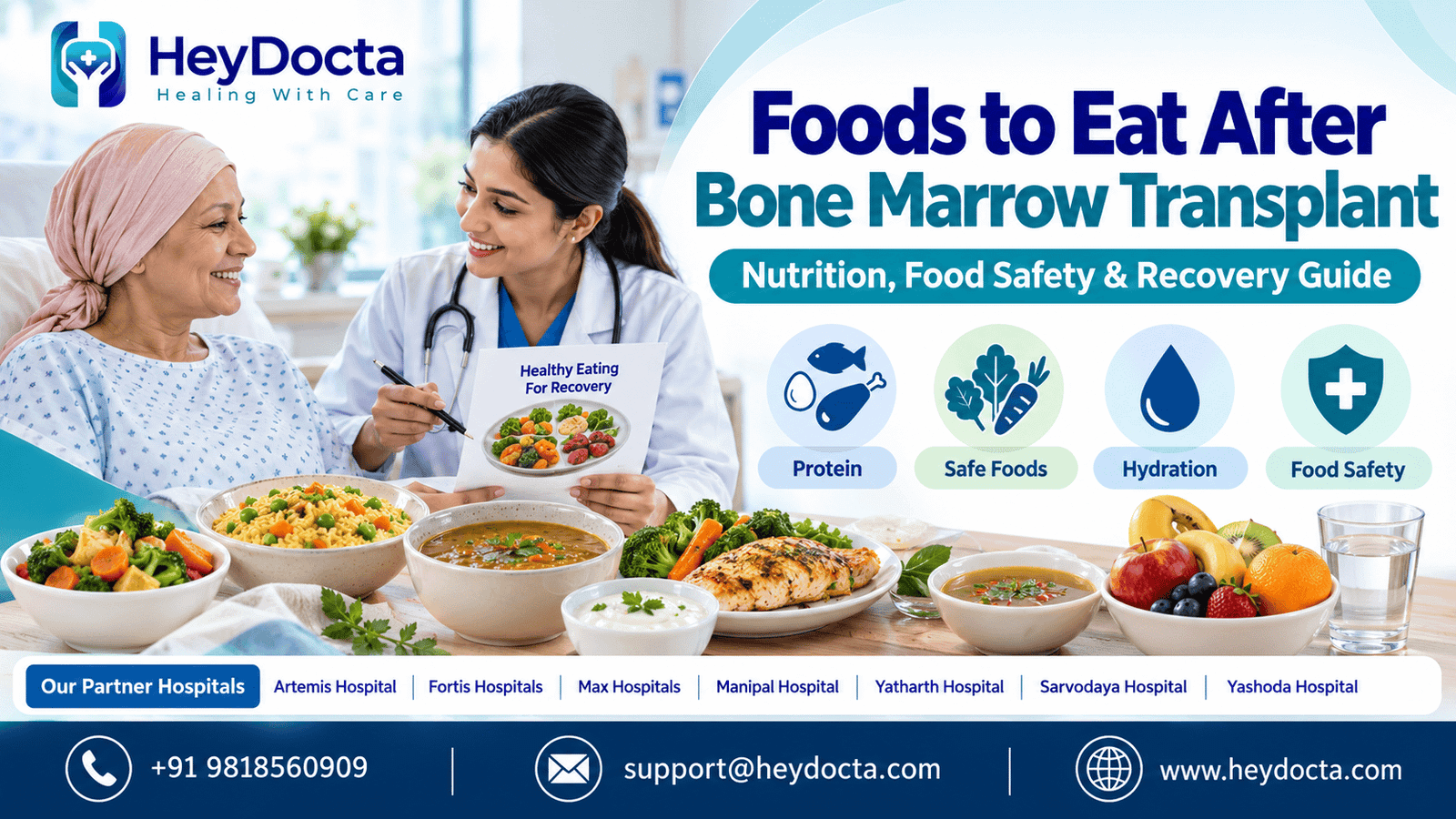
Recovering after a bone marrow transplant (BMT) requires more than medical treatment. Foods to eat after bone marrow transplant should provide enough calories, protein, fluids, vitamins and minerals while also following strict food-safety precautions. After transplantation, the immune system can remain weak, and some patients may experience nausea, mouth sores, diarrhea, taste changes or reduced appetite.
For international patients travelling to India for BMT, understanding nutrition before and after treatment can make the recovery period easier to plan. A transplant diet should always be personalised by the treating hematologist and clinical dietitian.
Get a free medical opinion: From Heydocta for hospital coordination and international patient support.
Why Nutrition Is Important After Bone Marrow Transplant
A BMT involves intensive treatment and a period of immune suppression. The body needs adequate nutrition to support recovery, maintain muscle and body weight, and manage treatment-related side effects.
The NHS notes that recovery after a stem cell or bone marrow transplant can take up to a year, with regular follow-up after discharge. Patients may also need a special diet during the early recovery period to reduce foodborne infection risks.
Nutrition plans can change depending on:
- Type of transplant
- Conditioning treatment received
- Blood counts
- Presence of graft-versus-host disease (GVHD)
- Mouth or gastrointestinal problems
- Appetite and weight
- Other medical conditions
- Medications being taken
Best Foods to Eat After Bone Marrow Transplant
There is no single diet suitable for every BMT patient. However, healthcare teams commonly focus on safe, protein-rich and calorie-dense foods.
1. Well-Cooked Protein-Rich Foods
Protein is important for maintaining muscle and supporting recovery.
Suitable options may include:
- Fully cooked chicken and fish
- Well-cooked eggs
- Lean meat
- Pasteurised milk and dairy products
- Cooked beans and lentils
- Tofu
- Nut butters from safe, commercially packaged sources
- Well-cooked legumes
Memorial Sloan Kettering recommends protein-rich foods such as poultry, fish, eggs, dairy, beans, tofu and nut butters for patients recovering from stem cell transplant.
2. Cooked Vegetables
Vegetables can provide important vitamins, minerals and fibre. During periods when the transplant team recommends extra food-safety precautions, vegetables should be properly washed and, where advised, cooked thoroughly.
Examples include:
- Carrots
- Pumpkin
- Potatoes
- Sweet potatoes
- Spinach
- Green beans
- Peas
- Well-cooked mixed vegetables
Your dietitian may adjust fibre intake if you have diarrhea, abdominal discomfort or GVHD.
3. Safe Fruits
Fruit can be part of a balanced recovery diet, but preparation is important.
Depending on your transplant team’s instructions, choose:
- Bananas
- Apples
- Pears
- Oranges
- Melons
- Mangoes
- Cooked or stewed fruits
Wash fresh produce carefully and follow your hospital’s food-safety instructions. Some transplant centres permit properly washed raw fruits and vegetables, while others may recommend different precautions depending on the patient’s condition.
4. Whole Grains and Energy-Rich Foods
Patients who have difficulty maintaining weight may need additional calories.
Options can include:
- Rice
- Oatmeal
- Whole-wheat bread
- Pasta
- Potatoes
- Porridge
- Quinoa
- Well-cooked cereals
If appetite is low, your dietitian may recommend adding healthy calorie sources such as oils, nut butter or other nutrient-dense ingredients.
5. Adequate Fluids
Good hydration is important, particularly when patients experience vomiting, diarrhea, fever or reduced food intake.
Depending on your medical condition, fluids may include:
- Safe drinking water
- Pasteurised milk
- Soups
- Oral rehydration solutions when recommended
- Safe homemade beverages
Your doctor may restrict fluids in certain medical situations, so follow your treatment team’s instructions.
Foods to Avoid After Bone Marrow Transplant
Food safety is particularly important when immunity is suppressed. Foodborne infections can be serious for transplant patients.
Common foods that transplant centres may advise avoiding include:
| Foods to Avoid | Reason |
| Raw or undercooked meat | Higher infection risk |
| Raw fish and sushi | Foodborne infection risk |
| Undercooked eggs | Bacterial infection risk |
| Unpasteurised milk and dairy | Possible harmful microorganisms |
| Unpasteurised juices | Foodborne infection risk |
| Raw sprouts | Higher microbial contamination risk |
| Salad bars and buffets | Greater food-handling exposure |
| Unwashed fruits and vegetables | Possible contamination |
| Expired foods | Increased food-safety risk |
| Certain herbal supplements | Possible drug interactions or contamination |
MSK specifically advises avoiding raw or undercooked meats, seafood and eggs, unpasteurised products, raw sprouts, salad bars and foods that have passed their use-by or expiration dates during periods when a food-safe diet is required.
Food Safety Rules After BMT
Food preparation is just as important as food selection.
Follow these basic principles:
- Wash hands before preparing food.
- Keep raw meat separate from other foods.
- Use clean utensils and cooking surfaces.
- Cook meat, seafood and eggs thoroughly.
- Refrigerate perishable foods promptly.
- Avoid food that has been stored incorrectly.
- Check expiry and use-by dates.
- Wash fruits and vegetables according to your transplant centre’s instructions.
- Avoid shared or communal food containers.
- Follow your transplant dietitian’s specific instructions.
MSK recommends the basic food-safety principles of clean, separate, cook and chill for reducing foodborne illness risk.
What to Eat When You Have Common BMT Side Effects
If You Have Nausea
Try small, frequent meals rather than large meals. Bland foods, soups and cold foods may be easier to tolerate for some patients. Strong food smells can worsen nausea in some people.
If You Have Diarrhea
Your doctor or dietitian may temporarily recommend softer, lower-fibre foods and adequate fluids. Well-cooked foods may be easier to tolerate. Persistent diarrhea should be reported because it can also be related to infection, medication or GVHD.
If You Have Mouth Sores
Soft foods may be easier to eat than hard or crunchy foods. Soups, porridges, mashed vegetables and soft cooked foods may be more comfortable.
If You Are Losing Weight
Your dietitian may recommend increasing calories and protein through nutrient-dense meals, snacks and medically appropriate nutritional drinks.
What About Indian Food After Bone Marrow Transplant?
International patients can usually adapt familiar foods to their transplant diet, but food safety remains the priority.
Safer options may include freshly prepared and thoroughly cooked:
- Rice and dal
- Khichdi
- Cooked vegetables
- Chapati or other well-cooked breads
- Vegetable soups
- Fully cooked chicken or fish
- Pasteurised dairy products
- Cooked lentils and beans
Avoid street food, raw salads, unpasteurised products and foods prepared under uncertain hygiene conditions during periods when your transplant team recommends strict food safety.
Your hospital dietitian can also help adapt meals to your cultural preferences.
BMT Treatment Cost in India vs Other Countries
Nutrition is only one part of the overall BMT journey. Treatment cost is an important consideration for international patients.
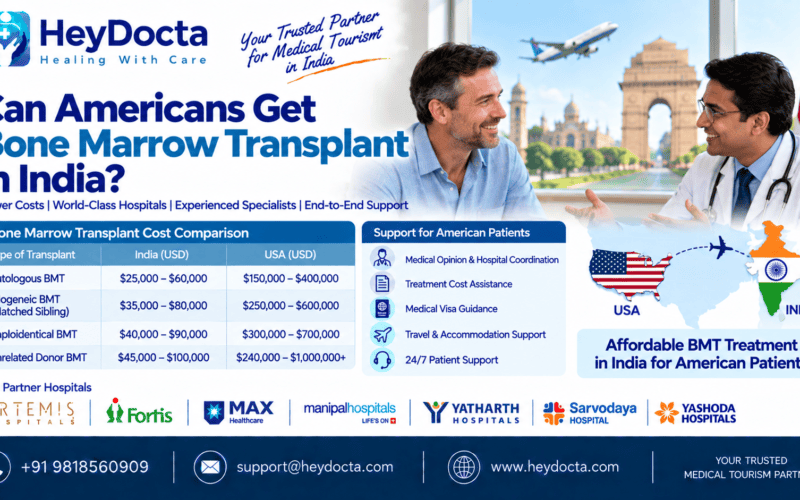
Some Hospitals currently lists a general BMT cost range in India of approximately USD15000 to 31000 although the final cost can vary according to hospital, location, room category, transplant type and complications.
In the United States, HRSA states that an unrelated bone marrow or cord blood transplant can range from USD 240,000 to more than USD 1 million, including the transplant and up to six months of post-transplant care. Donor-search costs may also add substantially to expenses.
| Cost Factor | India | USA |
| General BMT planning range | USD15000–31000* | USD 240,000–1 million+* |
| Donor-related expenses | Depends on donor and testing | May add significant cost |
| Hospitalisation | Depends on transplant and recovery | Often substantial |
| Post-transplant care | Depends on complications and follow-up | Can extend for months |
| Final quotation | Patient-specific | Patient-specific |
Indicative published ranges, not a personalised quotation. Actual costs vary significantly by transplant type, hospital, medicines, complications and duration of care.
BMT Specialists and Hospitals in India
International patients may consider hospitals with dedicated hematology and BMT services, multidisciplinary teams, transplant infrastructure and nutritional support.
HeyDocta’s partner hospital network includes:
- Artemis Hospital
- Fortis Hospitals
- Max Hospitals
- Manipal Hospital
- Yatharth Hospital
- Sarvodaya Hospital
- Yashoda Hospital
At Artemis Hospitals, Dr. Gaurav Dixit is Head – Haematology Oncology & Bone Marrow Transplant. His listed areas include hematology, oncology, hematopoietic stem cell transplantation and paediatric haemato-oncology & BMT. Artemis also lists autologous, matched sibling allogeneic, haploidentical and matched unrelated donor transplantation among its procedures.
The hospital also describes nutritional instruction as part of its BMT support services.
Step-by-Step: Nutrition and Recovery After BMT in India
Step 1: Medical Evaluation
The hematology team reviews medical records, diagnosis, previous treatment, transplant type and overall condition.
Step 2: Nutrition Assessment
A dietitian can assess weight, appetite, nutritional deficiencies and food tolerance.
Step 3: Transplant and Hospitalisation
During the transplant period, patients receive close monitoring and an appropriate food-safety plan.
Step 4: Early Recovery
Food intake may need to be adjusted for nausea, mouth sores, diarrhea or taste changes.
Step 5: Discharge Planning
Before leaving the hospital, the patient and caregiver receive instructions about medicines, food safety, hydration and follow-up.
Step 6: Follow-Up in India
International patients may need to remain in India for medical monitoring depending on transplant type and recovery. The treating team decides when travel is medically appropriate.
Medical Visa and Travel Support
International patients travelling to India for BMT generally need appropriate medical documentation and a medical visa or other applicable travel permission.
HeyDocta can assist with:
- Hospital coordination
- Medical opinion
- Appointment scheduling
- Treatment-cost coordination
- Medical visa documentation support
- Airport and local travel assistance
- Accommodation coordination
- Follow-up communication
HeyDocta acts as a medical tourism facilitator and does not replace the treating hospital or medical team. HeyDocta does not add a separate service fee to the patient’s hospital treatment cost.
Want to understand your BMT treatment and nutrition plan in India? Contact HeyDocta for a medical opinion and hospital coordination.
FAQs About Foods to Eat After Bone Marrow Transplant
1. What are the best foods to eat after bone marrow transplant?
Protein-rich, calorie-dense and safely prepared foods are commonly recommended. Examples include fully cooked eggs, chicken, fish, lentils, beans, tofu, pasteurised dairy, rice, oatmeal and cooked vegetables.
2. Can I eat fruits after a bone marrow transplant?
Fruit may be included, but food-safety instructions vary. Fresh fruit should be handled and washed carefully according to your transplant centre’s guidance.
3. Can BMT patients eat Indian food?
Yes, many Indian foods can be included when freshly prepared and thoroughly cooked. Khichdi, dal, rice, cooked vegetables and soups can be adapted to individual nutritional needs.
4. Should I avoid raw vegetables after BMT?
Not necessarily for every patient. Recommendations differ between transplant centres and according to the patient’s condition. Follow the specific food-safety instructions provided by your transplant team.
5. Can I take herbal supplements after BMT?
Do not start herbal, nutritional or probiotic supplements without discussing them with your transplant doctor. Some supplements may interact with medicines or carry contamination risks.
6. How long do I need a special diet after BMT?
There is no universal duration. Some patients require stricter food-safety precautions during the early recovery period, while dietary restrictions may gradually change as immune function and overall health improve. Your transplant team should determine the timeline.
7. How long does recovery take after a bone marrow transplant?
Recovery varies considerably. The NHS notes that full recovery can take up to a year, although the timing differs between patients and transplant types.
Conclusion
Knowing foods to eat after bone marrow transplant can help international patients prepare for the recovery period, but diet should always be personalised according to the transplant type, blood counts, medications, side effects and medical condition. Safe food preparation, adequate protein, sufficient calories and appropriate hydration are key parts of nutritional care.
For patients considering BMT in India, treatment planning should include not only hospital and doctor selection but also accommodation, follow-up, nutrition, travel and total treatment costs. India can offer a more cost-conscious option for some international patients, but individual quotations and medical suitability must be assessed by the treating hospital.
Ready to explore bone marrow transplant treatment in India? Contact HeyDocta.com for a free medical opinion, hospital coordination, treatment-cost guidance, medical visa support and end-to-end assistance for your medical journey.