Lower limb ischemia is a serious vascular condition that reduces blood flow to the legs and feet. Without timely treatment, it can lead to severe pain, non-healing wounds, infections, and even limb loss. The good news is that modern vascular treatments in India help restore blood circulation using advanced minimally invasive and surgical techniques at a fraction of the cost compared to many other countries.
International patients from Nigeria, Ghana, Kenya, Zimbabwe, Cameroon, Guyana, Jamaica, the Middle East, Europe, and the USA increasingly choose India for high-quality vascular care. India combines internationally accredited hospitals, experienced vascular surgeons, shorter waiting times, and affordable treatment packages.
What Is Lower Limb Ischemia?
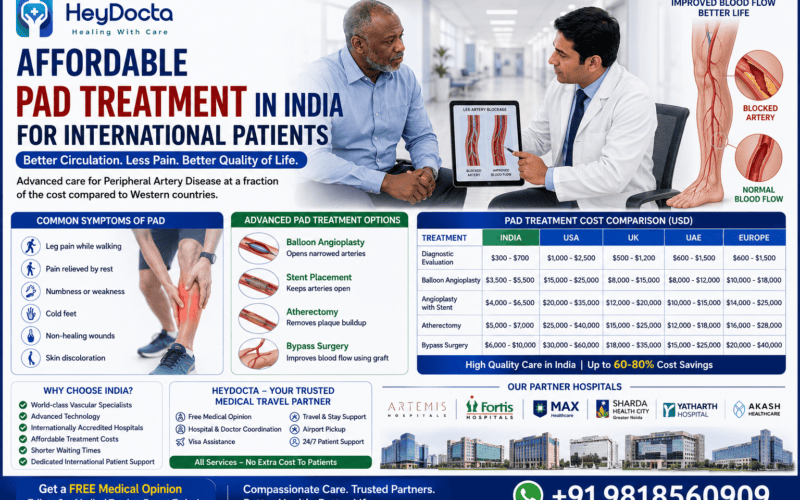
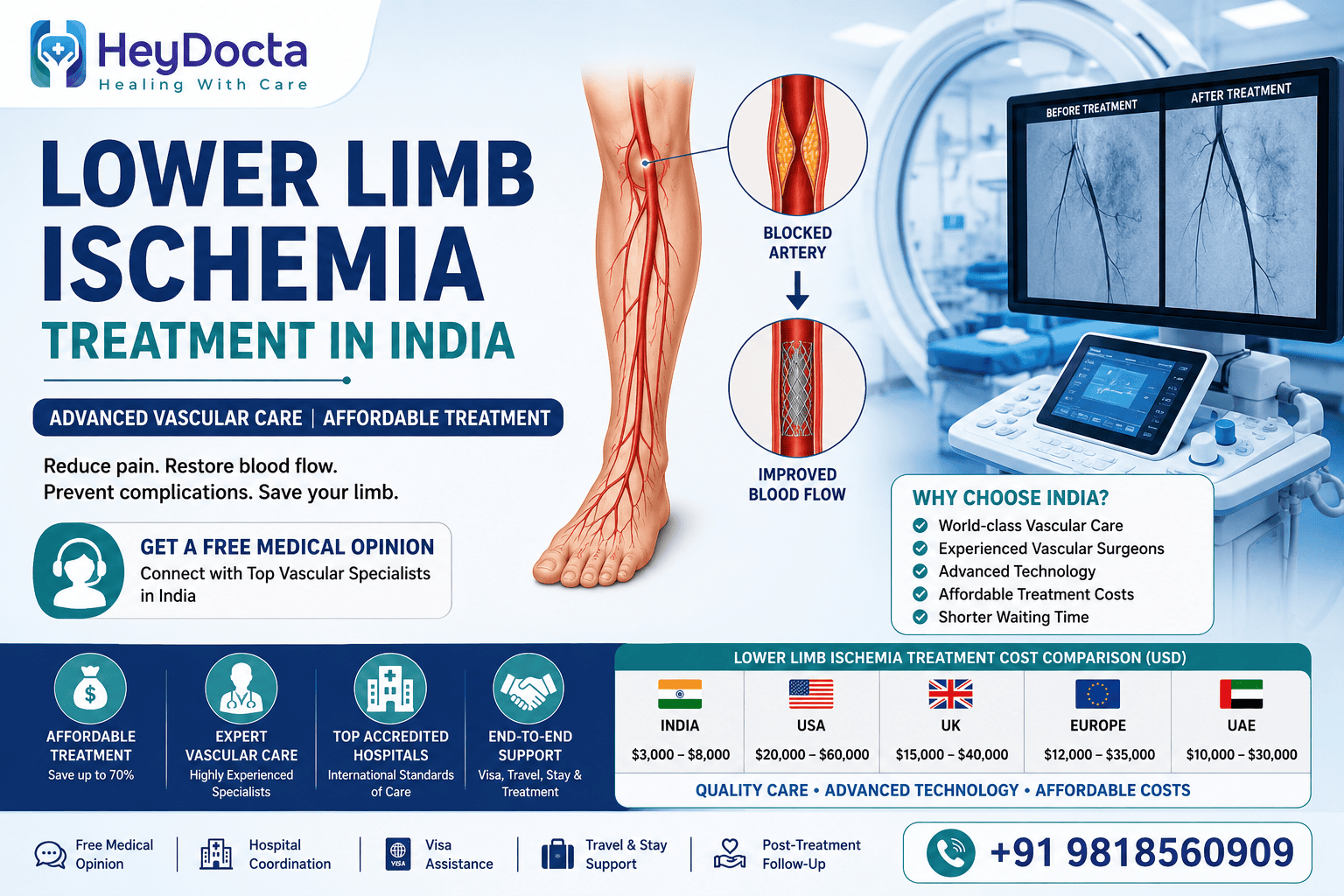
Lower limb ischemia occurs when arteries supplying blood to the legs become narrowed or blocked. The condition is usually caused by Peripheral Artery Disease (PAD), where fatty deposits accumulate inside arteries and restrict blood flow.
Reduced circulation means muscles and tissues receive less oxygen, causing pain and increasing the risk of tissue damage.
Early diagnosis and treatment significantly improve outcomes and help preserve the affected limb.
Common Symptoms of Lower Limb Ischemia
Symptoms vary depending on the severity of blockage and may include:
- Pain while walking (claudication)
- Leg cramps during activity
- Cold feet or toes
- Numbness or weakness in the legs
- Slow-healing wounds
- Skin discoloration
- Hair loss on the legs
- Weak or absent pulses
- Pain at rest in advanced disease
- Blackened toes or foot due to tissue damage
Anyone experiencing persistent leg pain or non-healing foot ulcers should consult a vascular specialist promptly.
What Causes Lower Limb Ischemia?
Several conditions increase the risk of developing lower limb ischemia.
These include:
- Peripheral Artery Disease (PAD)
- Diabetes
- Smoking
- High cholesterol
- High blood pressure
- Kidney disease
- Obesity
- Advanced age
- Family history of vascular disease
Managing these risk factors plays an important role in preventing disease progression.
Why International Patients Choose India for Lower Limb Ischemia Treatment
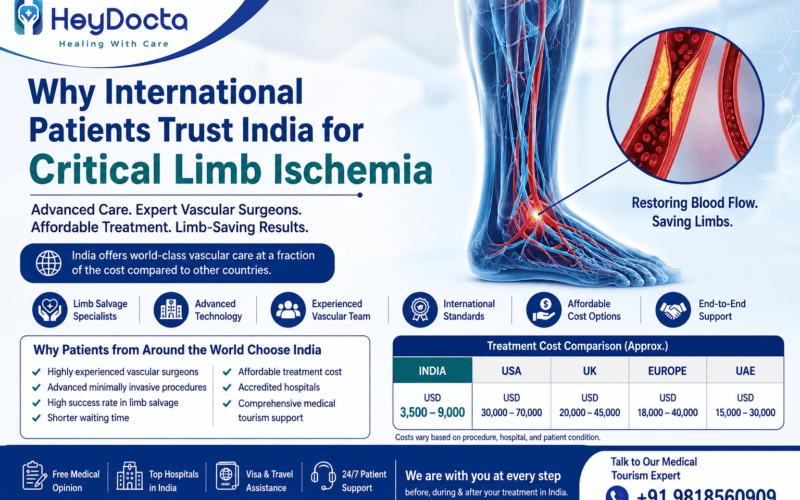
India has become a preferred destination for vascular treatment because it offers world-class healthcare at affordable prices.
Patients benefit from:
- Experienced vascular surgeons
- Advanced diagnostic facilities
- Modern catheter-based treatments
- International-quality hospitals
- Short waiting periods
- English-speaking medical teams
- Affordable treatment packages
- Personalized patient coordinators
HeyDocta simplifies the entire treatment process by coordinating appointments, medical records, hospital selection, visa assistance, accommodation, airport transfers, and follow-up care.
Treatment Options for Lower Limb Ischemia in India
Treatment depends on the severity of blockage, symptoms, and overall health.
Lifestyle Modification
Patients with early disease are advised to:
- Stop smoking
- Follow a heart-healthy diet
- Exercise regularly
- Control diabetes
- Manage cholesterol
- Maintain healthy blood pressure
Medications
Doctors may prescribe medications to:
- Prevent blood clots
- Improve blood flow
- Lower cholesterol
- Control blood pressure
- Manage diabetes
Balloon Angioplasty
A balloon catheter is inserted through a small puncture to widen narrowed arteries.
Benefits include:
- No large incision
- Faster recovery
- Short hospital stay
- Minimal discomfort
Vascular Stenting
A metal mesh stent keeps the artery open after angioplasty, improving long-term blood flow.
Atherectomy
Specialized devices remove plaque from blocked arteries, restoring circulation without major surgery in selected patients.
Bypass Surgery
When blockages are extensive, surgeons create an alternate pathway for blood flow using a vein or synthetic graft.
This remains an excellent option for suitable patients with severe disease.
Hybrid Procedures
Some patients benefit from a combination of minimally invasive techniques and surgery to achieve optimal results.
Role of Advanced Vascular Specialists
Successful treatment requires proper evaluation and individualized planning.
Leading vascular surgeon Dr. Bishwarup Purkayastha is recognized for managing complex peripheral vascular diseases using both minimally invasive and surgical approaches. Treatment recommendations are based on detailed vascular imaging, patient health, and disease severity.
Cost of Lower Limb Ischemia Treatment: India vs Other Countries
One of the biggest reasons international patients choose India is affordability without compromising quality.
| Country | Estimated Treatment Cost (USD) |
|---|---|
| India | $3,000–$8,000 |
| USA | $20,000–$60,000 |
| UK | $15,000–$40,000 |
| Europe | $12,000–$35,000 |
| UAE | $10,000–$30,000 |
Actual costs vary depending on:
- Diagnostic tests
- Type of procedure
- Hospital category
- Length of hospital stay
- Medical condition
- Recovery requirements
Patients often save 50–80% compared to treatment costs in many developed countries.
Get Treatment Cost from Top Indian Hospitals
HeyDocta helps international patients receive personalized quotations from leading hospitals in India so they can compare treatment options before making travel plans.
Leading Hospitals in India for Lower Limb Ischemia Treatment
HeyDocta partners with reputed multi-specialty hospitals known for advanced vascular care, including:
- Artemis Hospital
- Fortis Hospitals
- Max Hospitals
- Sharda Health City
- Yatharth Hospital
- Akash Healthcare
Hospital selection depends on the patient’s medical condition, preferred city, treatment requirements, and budget.
Step-by-Step Treatment Journey
Step 1: Online Medical Review
Patients share medical reports, imaging, and symptoms with HeyDocta.
Step 2: Specialist Evaluation
A vascular specialist reviews the reports and recommends the most appropriate treatment.
Step 3: Cost Estimate
Patients receive a transparent treatment estimate from suitable hospitals.
Step 4: Travel Planning
HeyDocta assists with:
- Medical visa guidance
- Invitation letters
- Airport pickup
- Hotel arrangements
- Hospital appointments
Step 5: Arrival in India
Patients undergo detailed evaluation, including vascular imaging and blood tests.
Step 6: Treatment
Depending on the diagnosis, angioplasty, stenting, bypass surgery, or hybrid treatment is performed.
Step 7: Recovery
Patients remain under observation before discharge with medications and rehabilitation guidance.
Step 8: Follow-Up
Virtual consultations continue after patients return to their home country.
Medical Visa and Travel Assistance
International patients receive comprehensive travel support through HeyDocta.com, including:
- Hospital appointment scheduling
- Medical visa documentation
- Accommodation assistance
- Local transportation support
- Interpreter services when required
- Continuous patient coordination
There are no additional facilitation charges for these services.
Recovery After Lower Limb Ischemia Treatment
Recovery depends on the treatment performed.
Typical recovery timelines include:
| Treatment | Hospital Stay | Recovery Time |
|---|---|---|
| Angioplasty | 1–2 days | 1–2 weeks |
| Stenting | 1–2 days | 1–2 weeks |
| Atherectomy | 1–2 days | 1–2 weeks |
| Bypass Surgery | 5–7 days | 4–8 weeks |
Patients are encouraged to:
- Walk regularly
- Take prescribed medications
- Stop smoking
- Control diabetes
- Attend scheduled follow-up appointments
- Maintain healthy cholesterol levels
Following these recommendations helps improve long-term vascular health.
Why Choose HeyDocta?
HeyDocta serves as a trusted medical tourism facilitator for international patients seeking treatment in India.
Patients benefit from:
- Free medical opinion
- Hospital comparison
- Expert doctor coordination
- Affordable treatment packages
- Visa assistance
- Travel planning
- Dedicated patient coordinators
- Post-treatment follow-up
- No additional service charges
Frequently Asked Questions
Is lower limb ischemia curable?
Treatment aims to improve blood flow, relieve symptoms, promote wound healing, and reduce the risk of complications. Outcomes depend on the severity of disease and overall health.
Is surgery always required?
No. Many patients can be treated using minimally invasive procedures such as angioplasty or stenting. Surgery is recommended only when necessary.
How long should international patients stay in India?
Most patients stay for approximately 7–21 days depending on the procedure and recovery progress.
Can diabetes increase the risk of lower limb ischemia?
Yes. Diabetes is one of the leading risk factors because it damages blood vessels and increases the likelihood of arterial blockages.
Is angioplasty painful?
The procedure is usually performed under local anesthesia with sedation, and most patients experience minimal discomfort.
Can lower limb ischemia lead to amputation?
If left untreated, severe ischemia can increase the risk of tissue loss and amputation. Early diagnosis and timely treatment help reduce this risk.
When should I seek medical attention?
Seek immediate medical evaluation if you have severe leg pain, non-healing foot wounds, blackened toes, sudden coldness in the leg, or loss of sensation.
Conclusion
Lower limb ischemia is a serious but treatable vascular condition. Early diagnosis, expert evaluation, and timely intervention can restore blood flow, relieve symptoms, improve mobility, and help prevent serious complications. India offers internationally recognized vascular care with advanced technology, experienced specialists, and significantly lower treatment costs, making it an excellent choice for patients seeking affordable, high-quality care.
Planning treatment in India for lower limb ischemia? HeyDocta helps international patients from Africa, the Middle East, Europe, the USA, Guyana, and Jamaica connect with leading vascular specialists and top hospitals. Get a free medical opinion, personalized treatment plan, transparent cost estimate, visa and travel assistance, and complete end-to-end support—all at no extra cost. Contact HeyDocta today to begin your treatment journey with confidence.